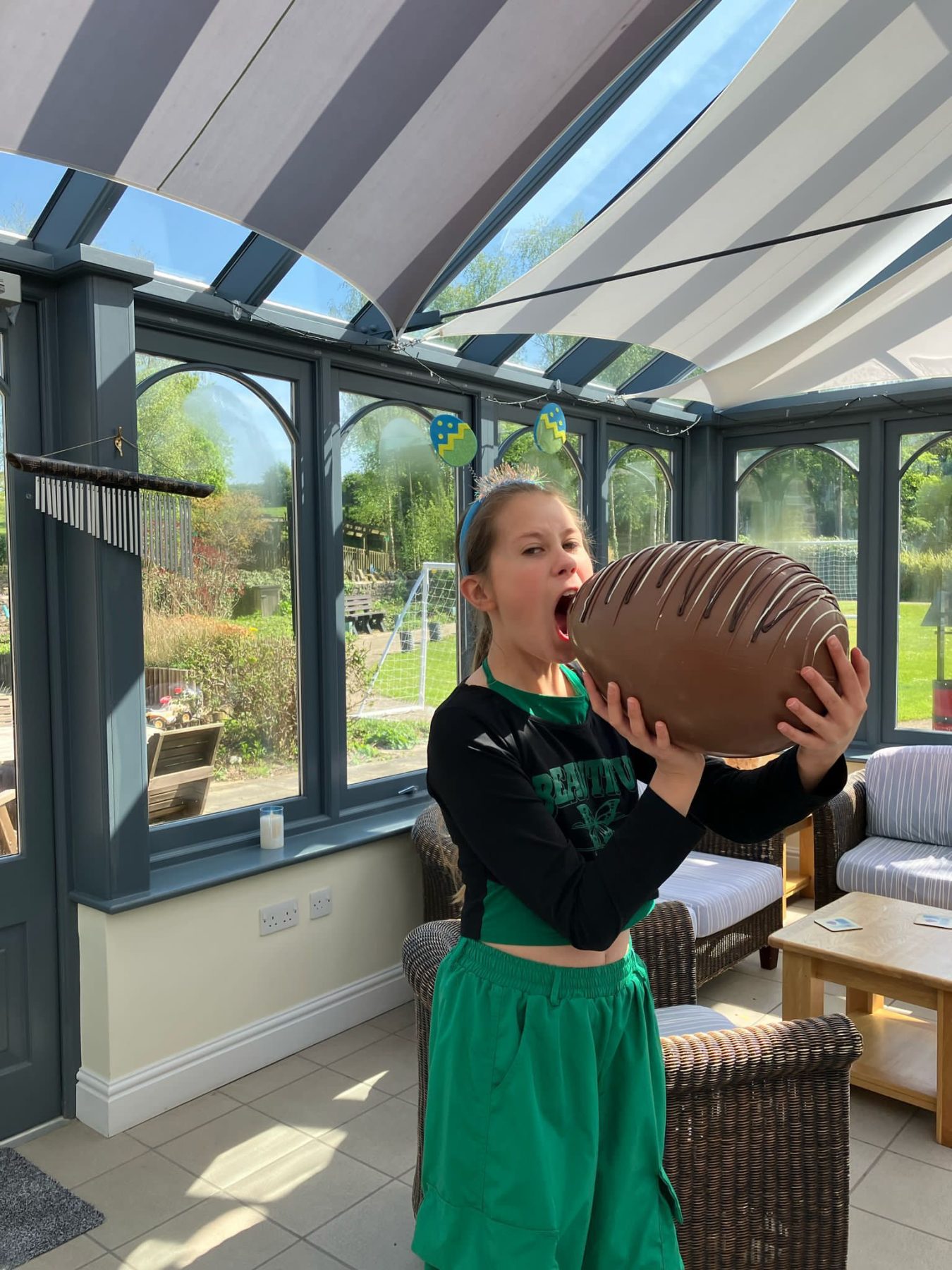
For seven‑year‑old Zeniah, Easter is pure excitement. She loves chocolate – so much so that from January onwards, mum Dana has to avoid the sweet aisle.
“It is the one aisle we have to try to avoid since January because she just points and knows what that aisle is about.”
Easter morning in their home often starts with chocolate for breakfast and creative traditions like cereal served inside hollow Easter eggs – a quirky family favourite that has become part of their story.
“It is the one day of the year with no limitations,” Dana says.
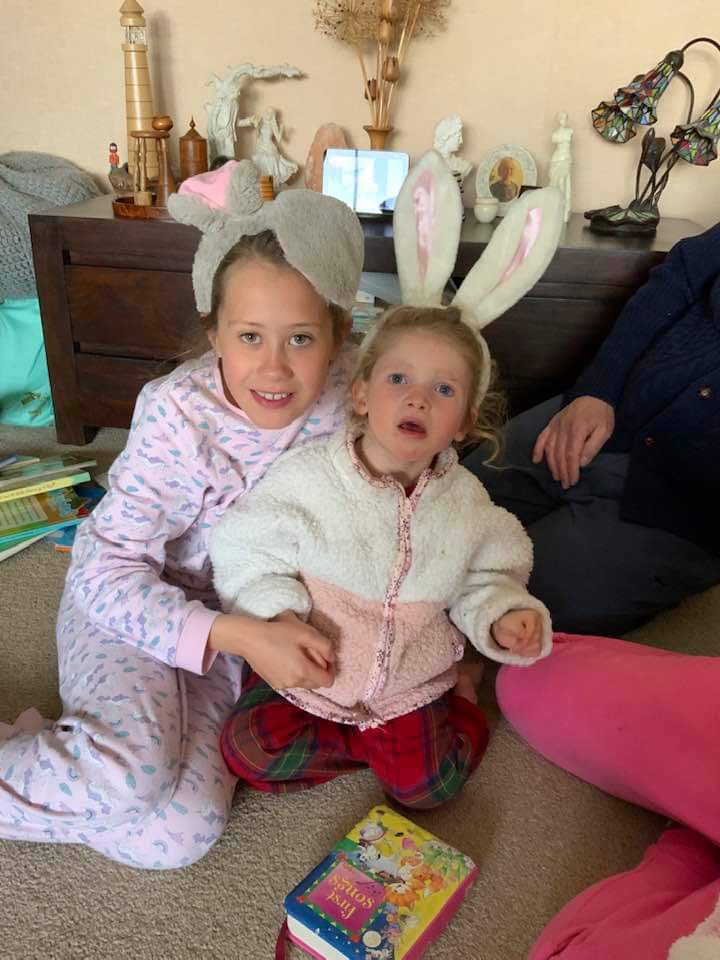
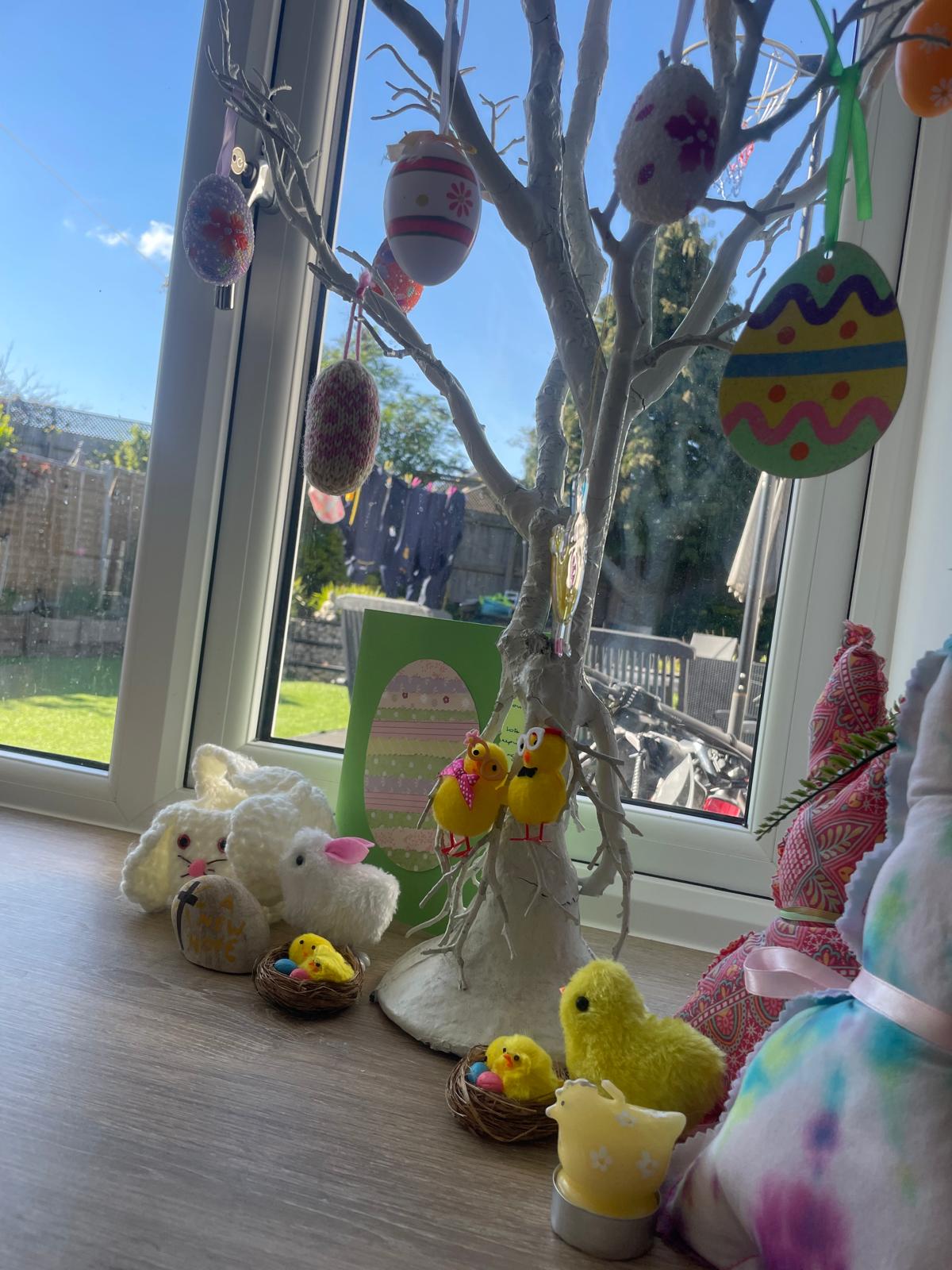
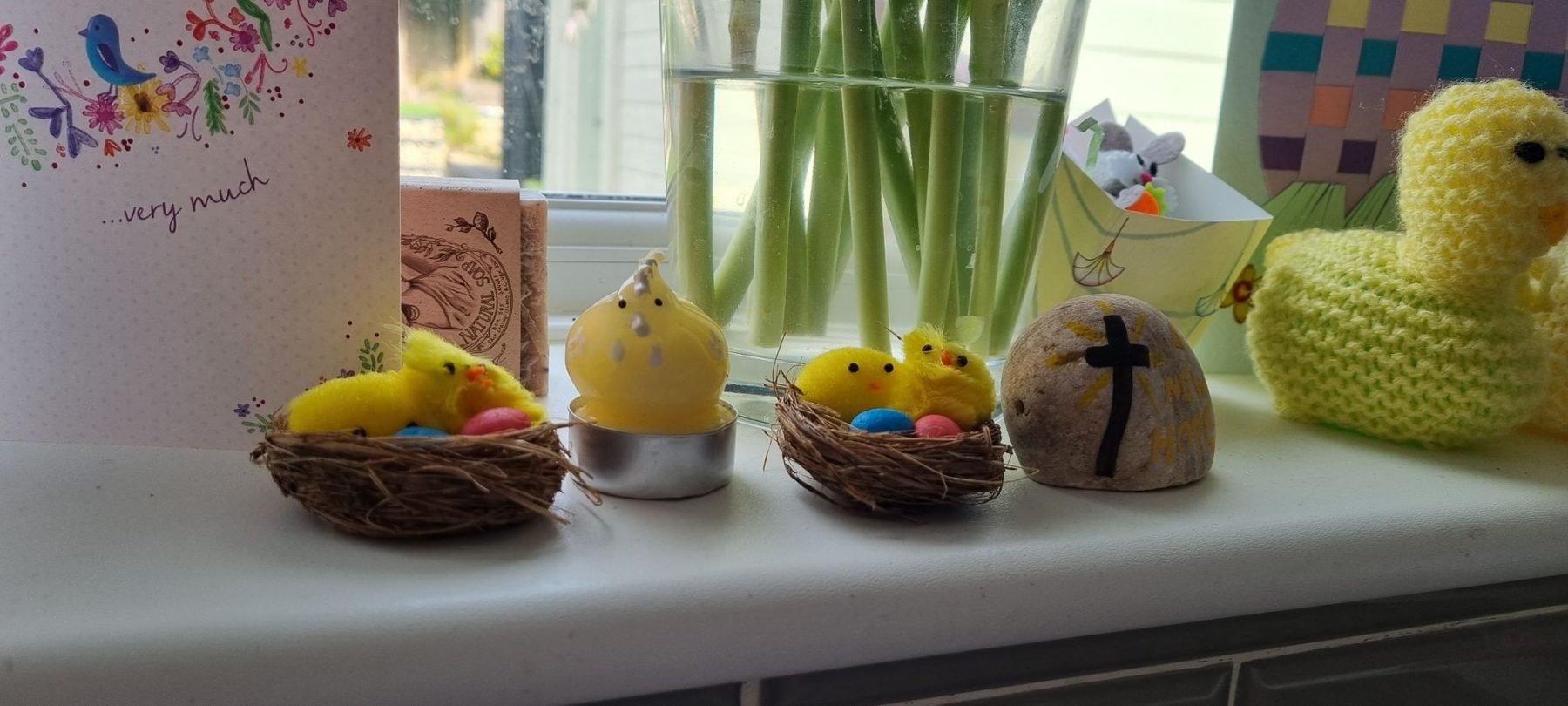
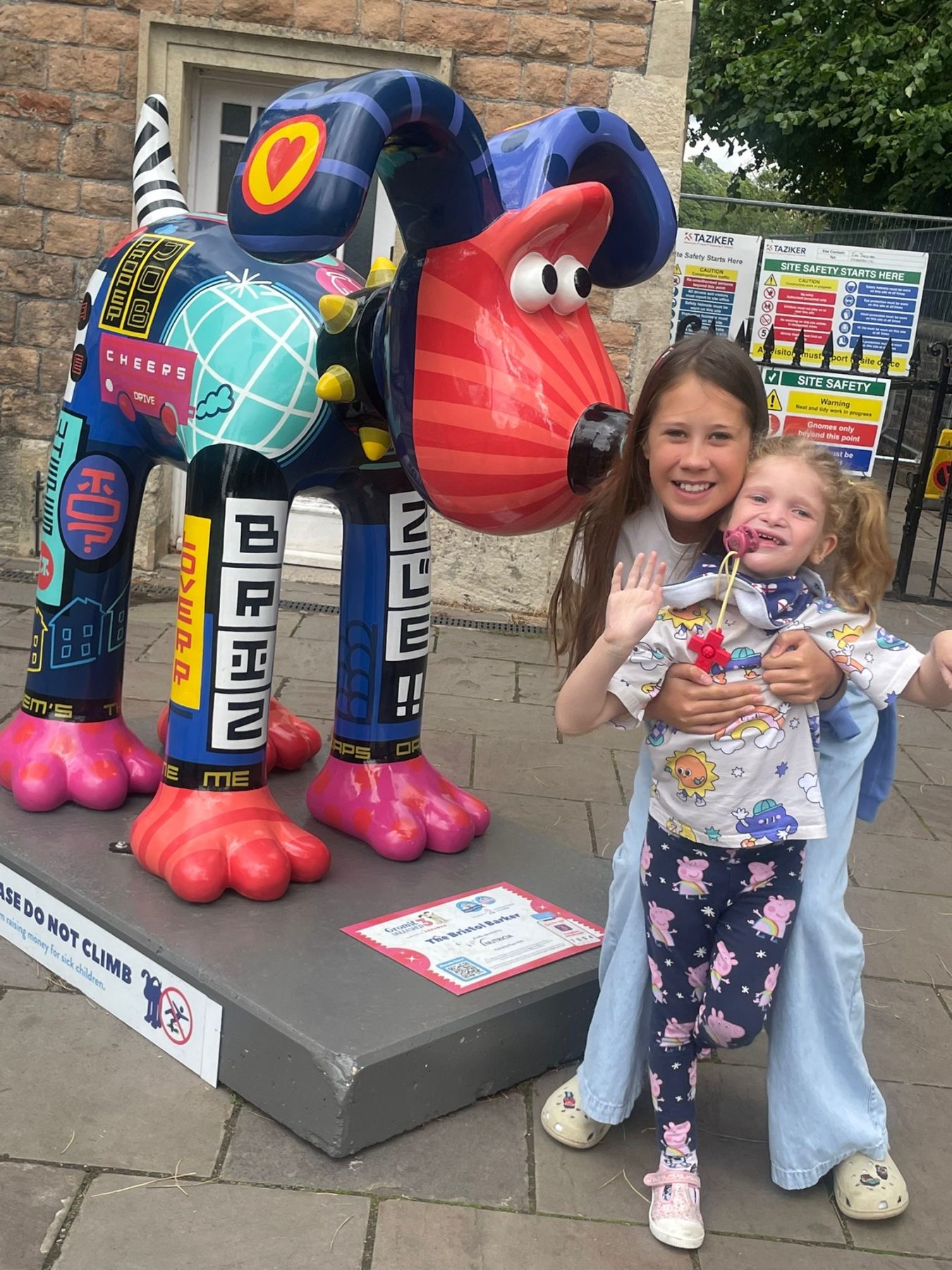
Both girls, Zeniah and her older sister Kirianna, get stuck into the fun. Crafting is a big part of their celebrations: the house fills with handmade cards, an Easter tree decorated by the girls, filled with salt‑dough ornaments and other crafts they make together every year.
They also create their own Easter magic at home – hiding eggs around the house and finding ways to make the day special in a way that works for them. One year during lockdown, Kirianna took that creativity even further, designing an Easter trail around their neighbourhood, drawing chalk eggs on the ground and sharing it online so other families could join in.
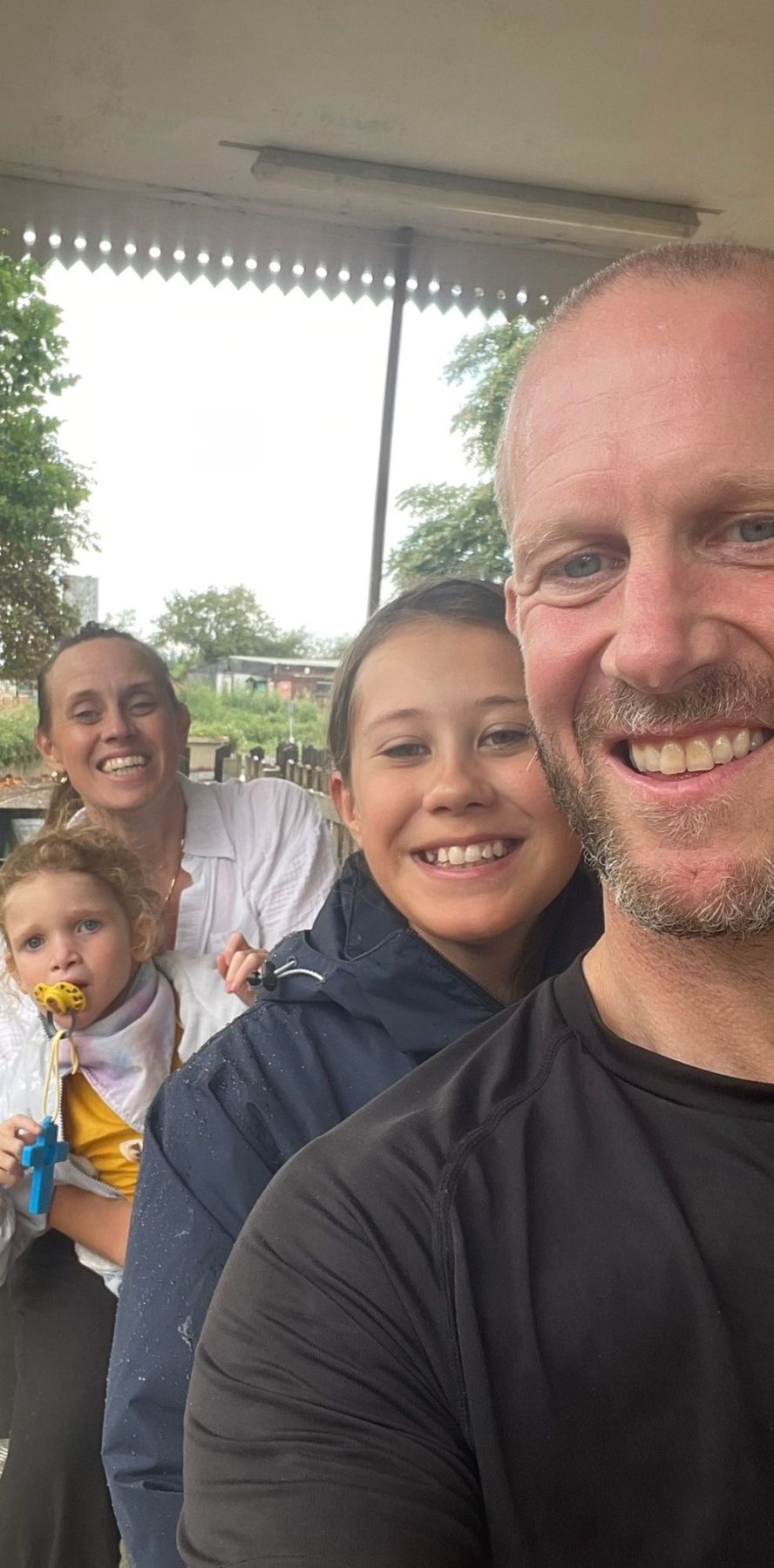
Easter is something the whole family, Mum Dana, Dad Marc, Kirianna and Zeniah genuinely look forward to; it’s a chance to pause, be together, and make memories.
Making Easter work for Zeniah
Like many families caring for a child with a life-limiting condition, Easter also comes with some thoughtful adjustments.
Because of Zeniah’s sensory needs and the way she experiences the world, busy Easter events, church services or crowded family meals can quickly become overwhelming.
“Normally we would have gone to ‘Messy Church’… but it’s a bit busy for Zeniah, so that’s something that has changed,” Dana explains.
Even school celebrations can be difficult to navigate.
“She’s been invited to an Easter bonnet parade at school… but she hates hats, dressing up and anything that’s different from what she’s expecting, so we won’t be going.”
These moments can be hard – not because they aren’t lovely ideas, but because they simply aren’t accessible for every child. “Those are really lovely Easter things, but they work for some children and not for others,” Dana shares.
Mealtimes also look different. Sitting down together for a traditional roast can be challenging, especially when Zeniah’s blended food looks different from everyone else’s – and naturally, she wants what they’re having.
So instead, the family adapts. They might take turns sitting with her in another room, rotating so everyone still gets time together while keeping the day calm and enjoyable for her.
They also choose smaller, quieter activities that are more accessible – like a gentle Easter trail through the woods, or a simple cookie-decorating session where, as Dana jokes, “there’s less of the decorating and more of just eating the ingredients.”
Sometimes that looks like visiting local spots on a quieter scale or just enjoying time outdoors together, keeping things flexible depending on how Zeniah feels.
These adjustments aren’t limitations; they’re the thoughtful ways this family creates an Easter that truly works for them.
Understanding Zeniah
Zeniah lives with Mowat-Wilson syndrome, a rare genetic condition. Her early life involved intensive care, multiple heart surgeries, and frightening seizures.
“We found out on Rare Disease Day of all days… life was going to look a little bit different for her.”
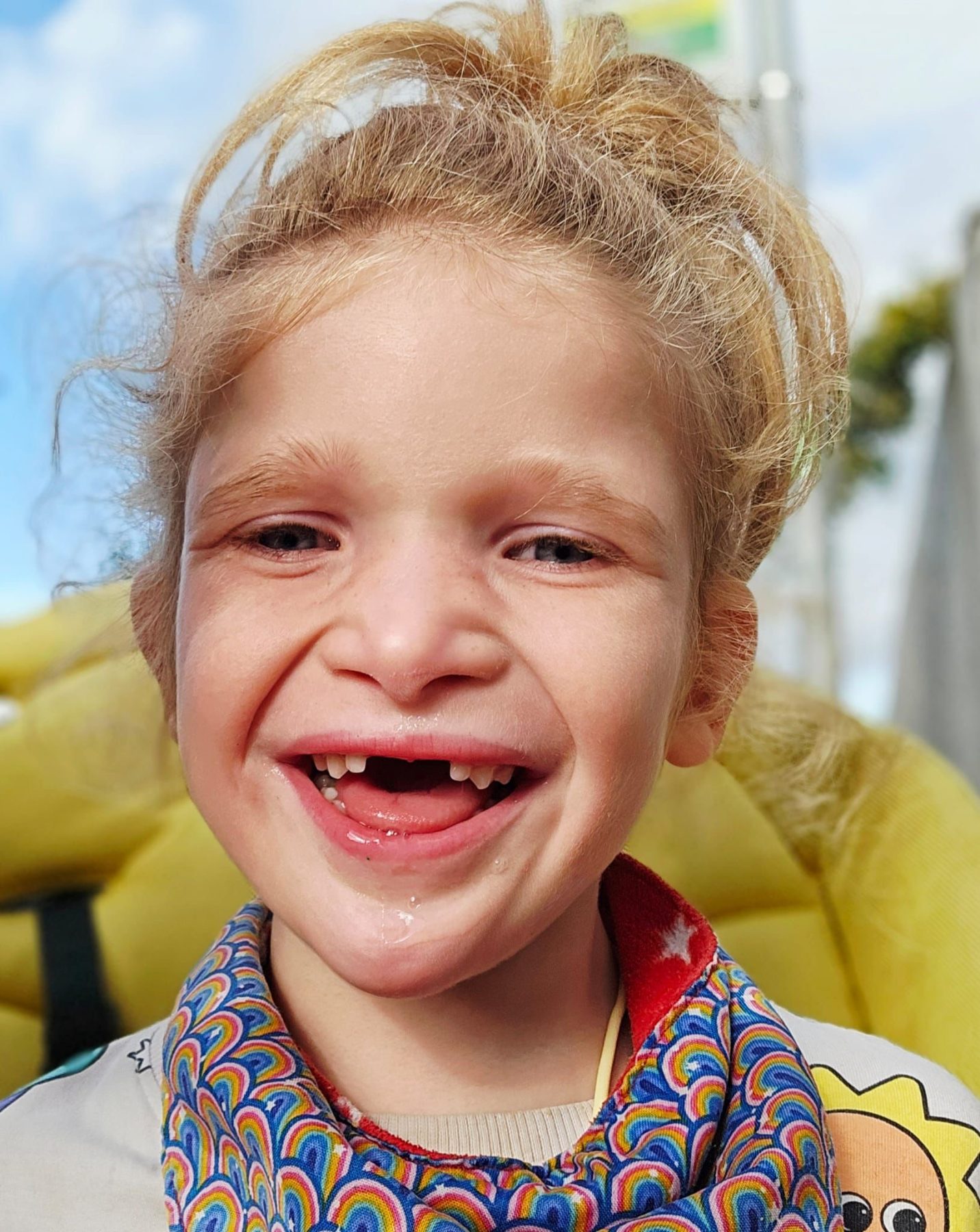
The condition affects her heart, development, communication and overall health. She experiences seizures, needs support with feeding, and can become overwhelmed easily.
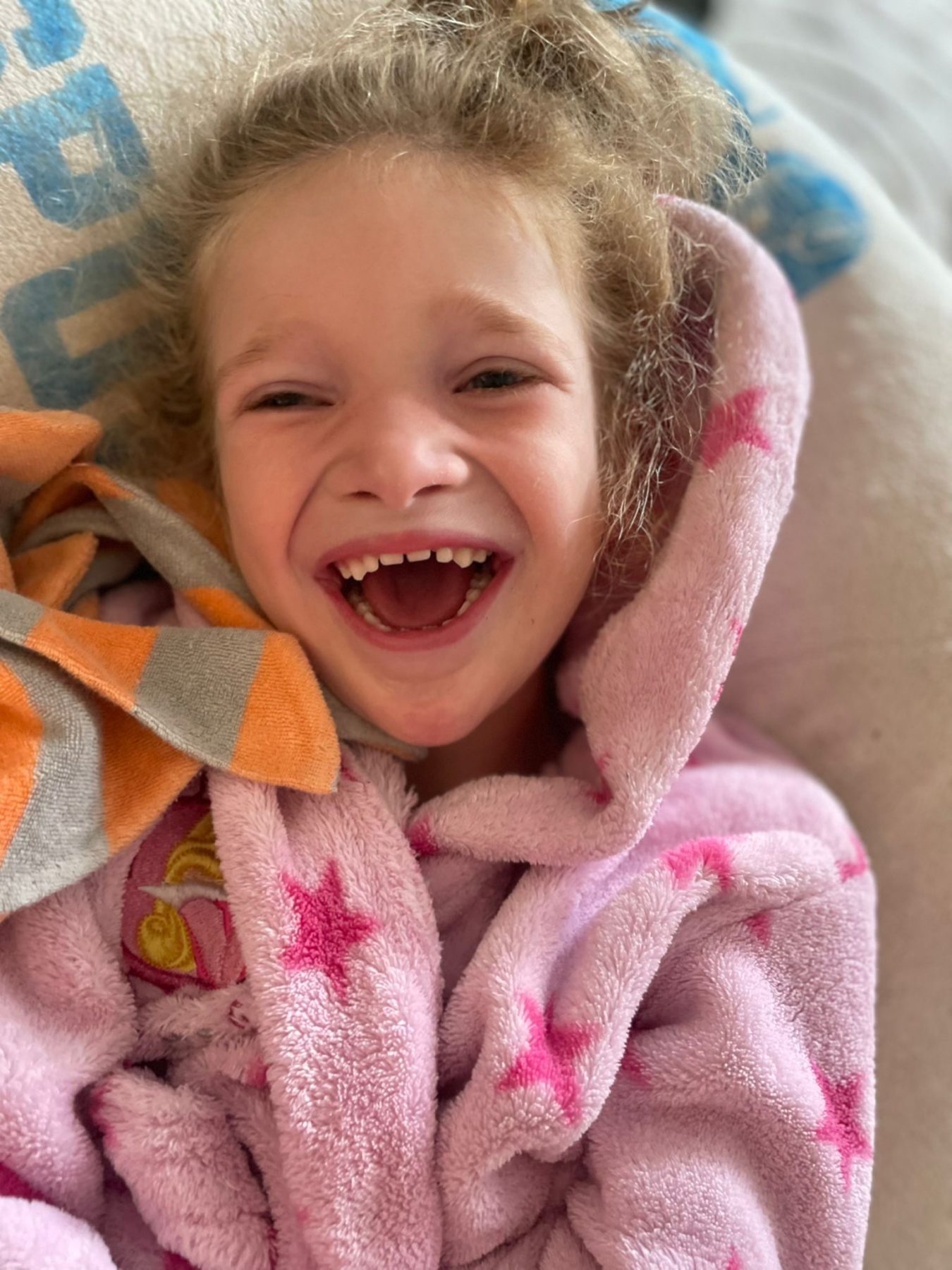
But despite everything she has faced, she is, in Dana’s own words; “a really loving, really social little girl.”
“She absolutely loves school, she loves her friends,” Dana says. “She’s also very excited when the Jessie May nurses come… she shows them around the house or takes them out to the park.”
That’s why consistency matters so much. Having the same Jessie May nurses, like Ashley and Vicky, means they understand her routines, her sounds, and her “little quirky ways.”
For this family, Jessie May is more than nursing care – it’s emotional breathing space, practical support, and people who really understand their world.
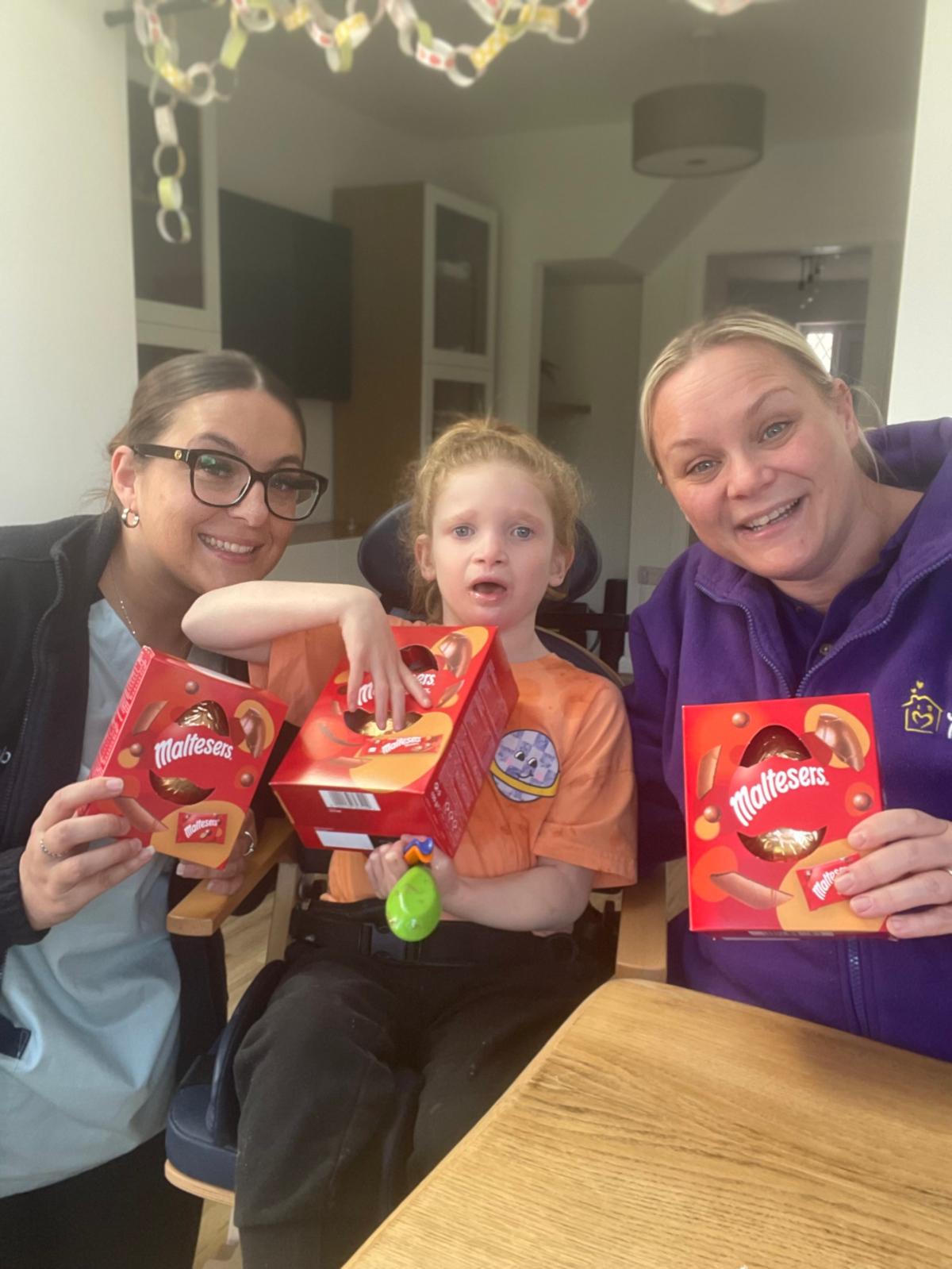
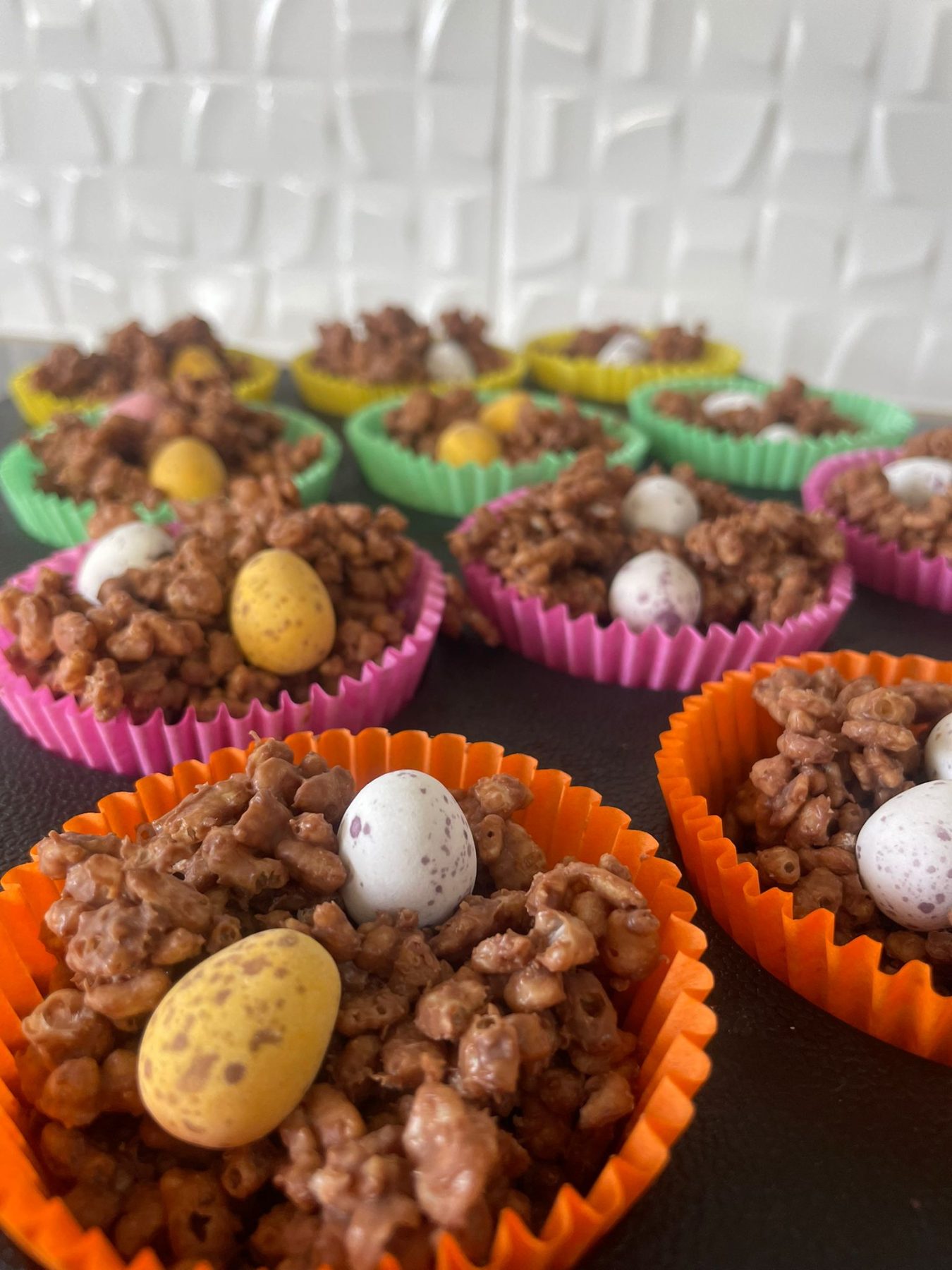
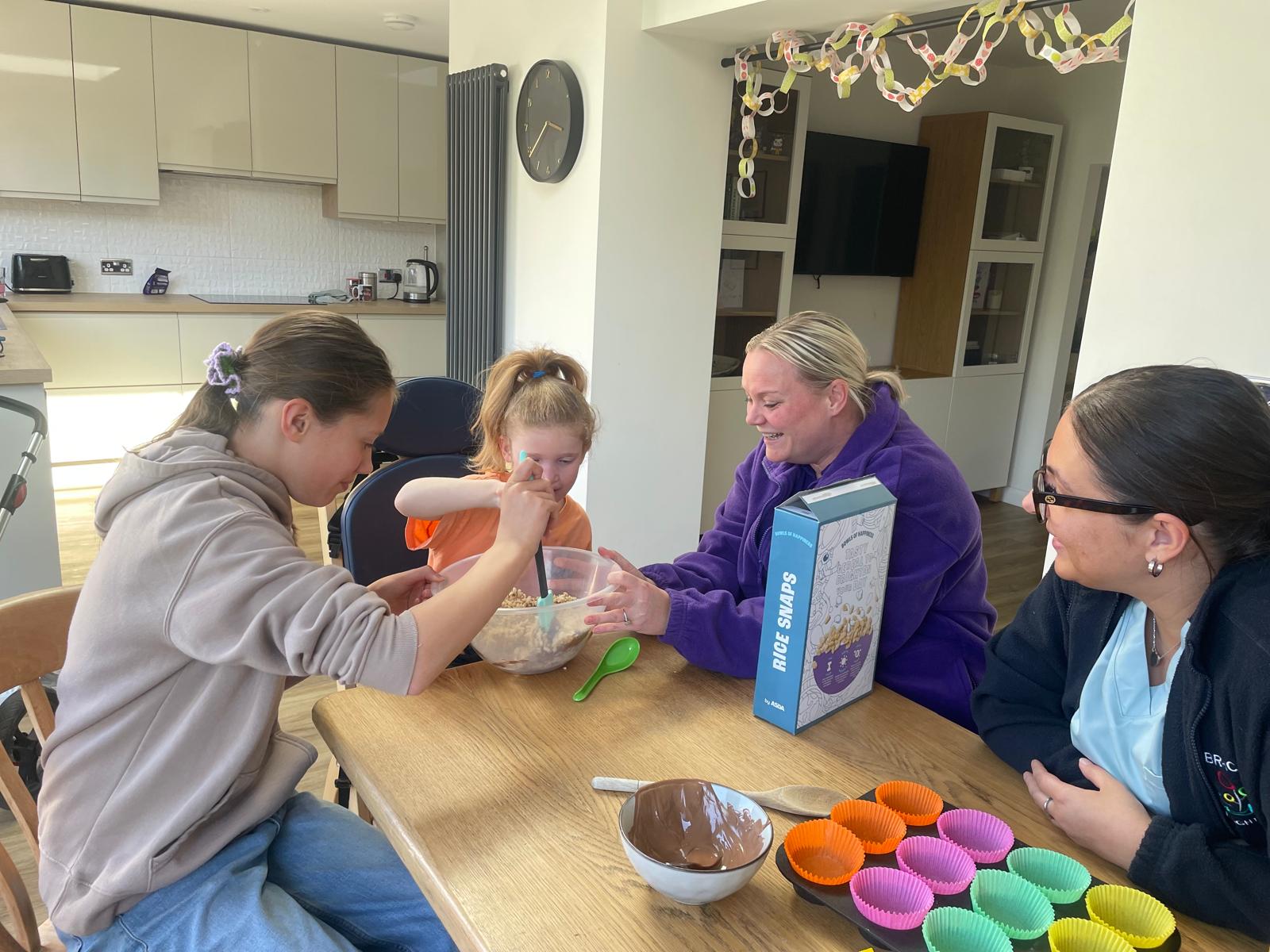
This year, Jessie May even became part of their Easter fun. Vic joined the family for some of their activities – helping make Rice Krispie cakes, putting up Easter decorations, and sharing in the girls’ excitement. For Dana, having Vic involved in these moments means more than an extra pair of hands; it means someone who truly understands Zeniah, her needs, and the rhythm of their family life. It allows these memories to unfold gently and joyfully, without pressure or worry, and gives the girls the chance to include someone they trust in the traditions that matter most to them.
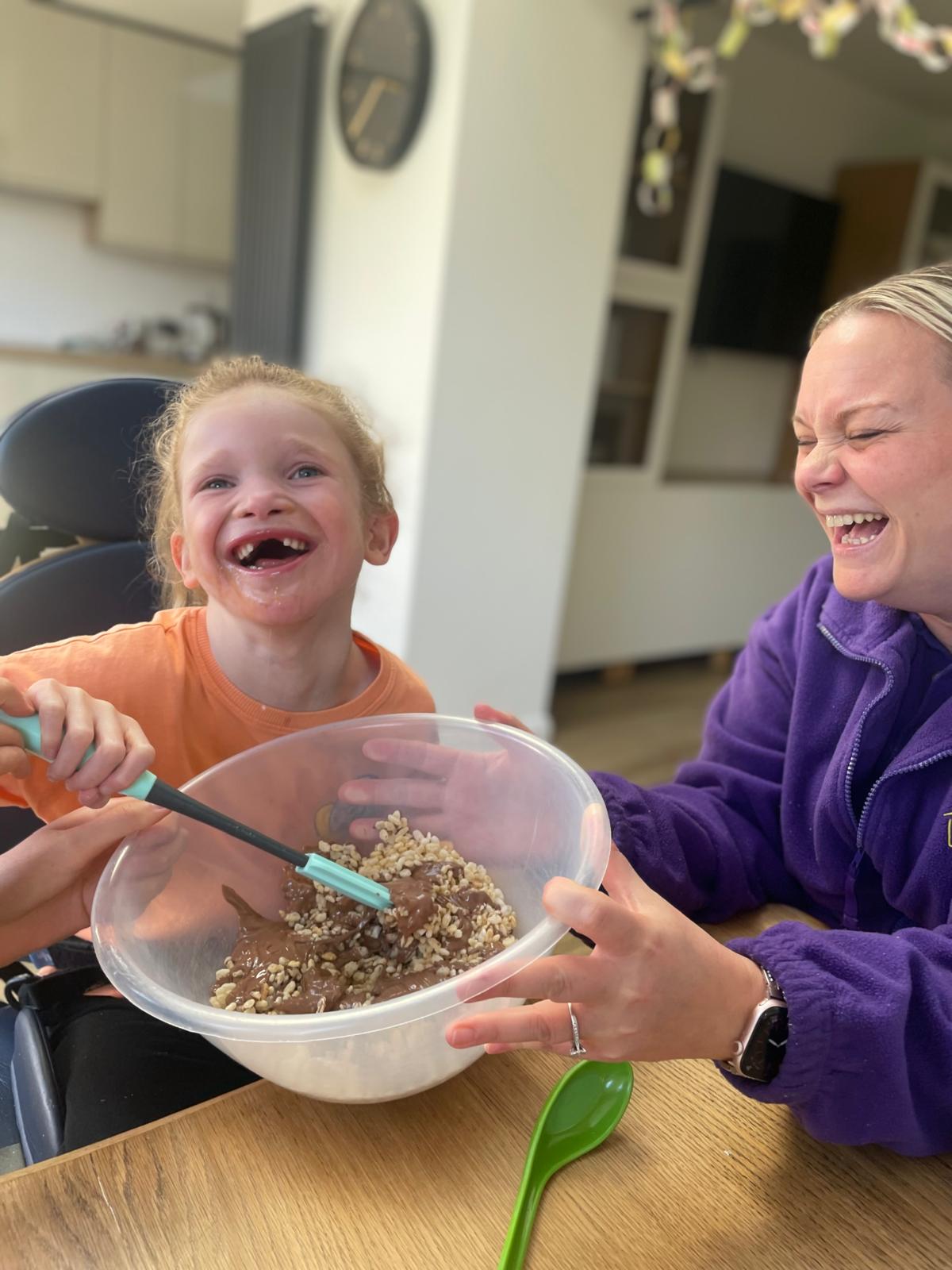
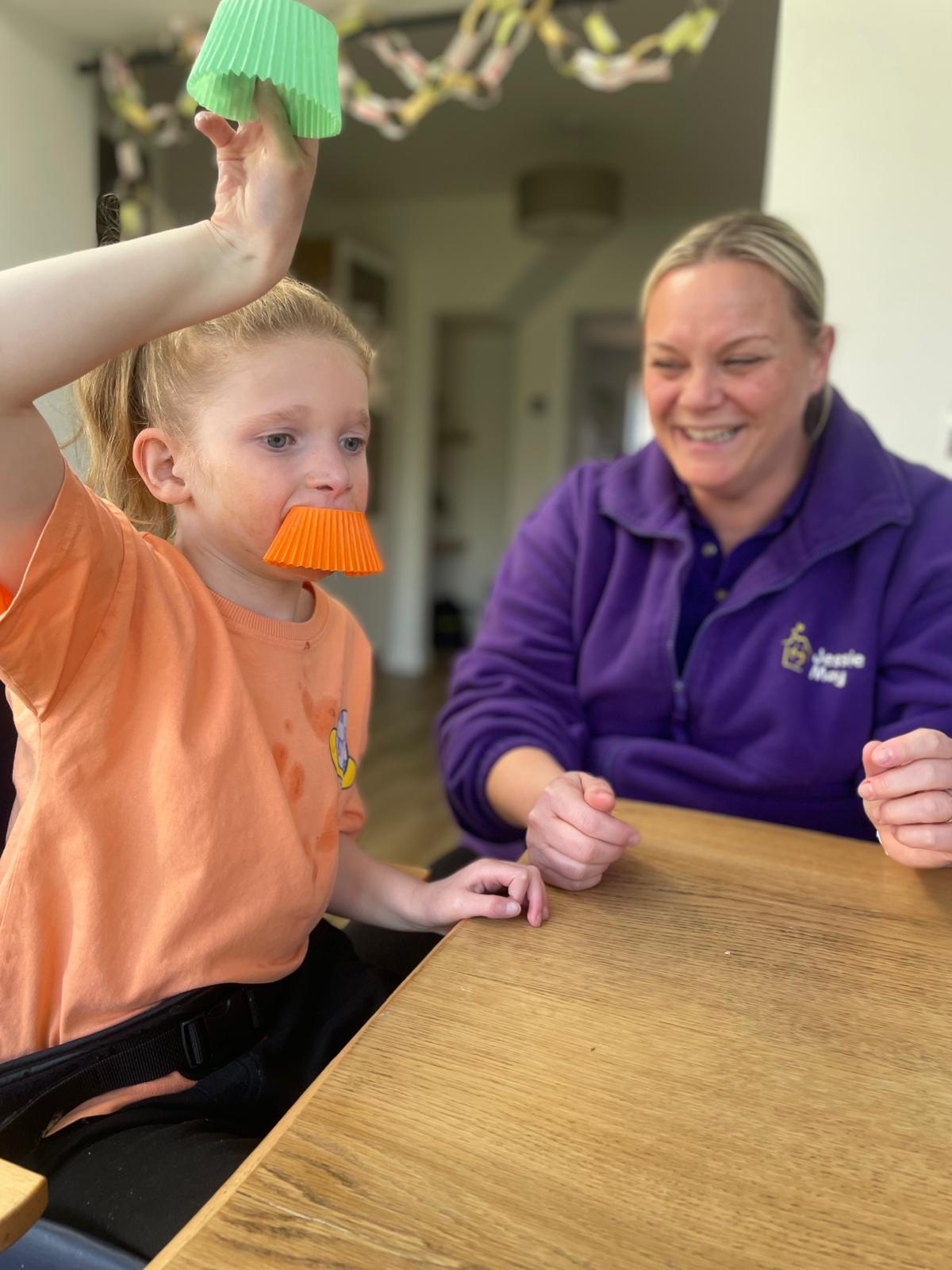
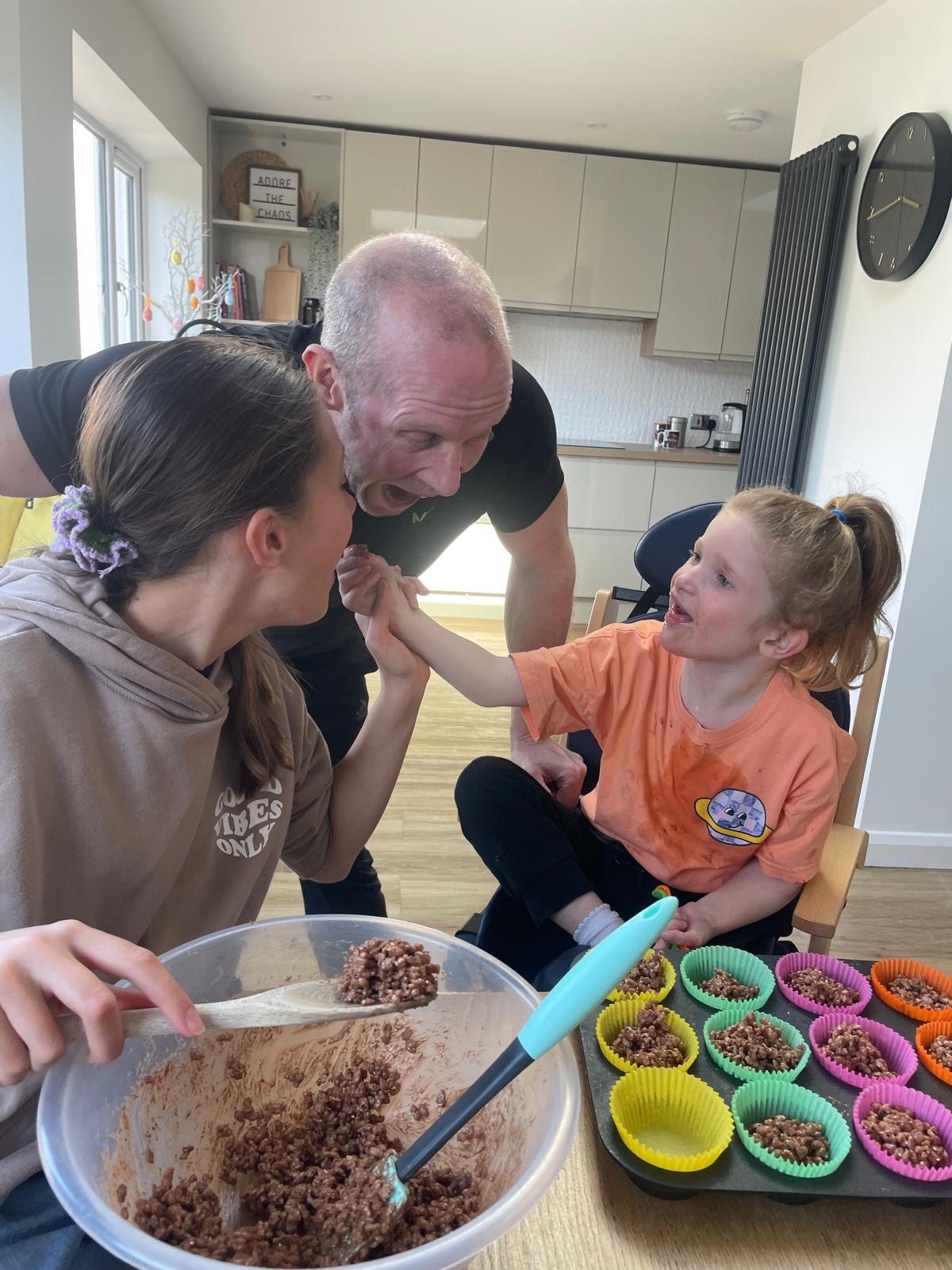
For Vic, being welcomed into these moments is incredibly special – a reminder that Jessie May’s support isn’t just clinical, it’s relational, meaningful, and woven into the real, everyday memories families treasure.
Jessie May helps make celebrations like Easter feel possible; we support the whole family – not by changing the day, but by giving the family the support they need to enjoy it.
A Gentle reminder this Easter
Not every family can celebrate Easter in the same way.
For families like Zeniah’s, even everyday outings can be challenging. Eating out at restaurants or attending busy events often isn’t possible, and being out in public can sometimes bring unwanted attention or judgement.
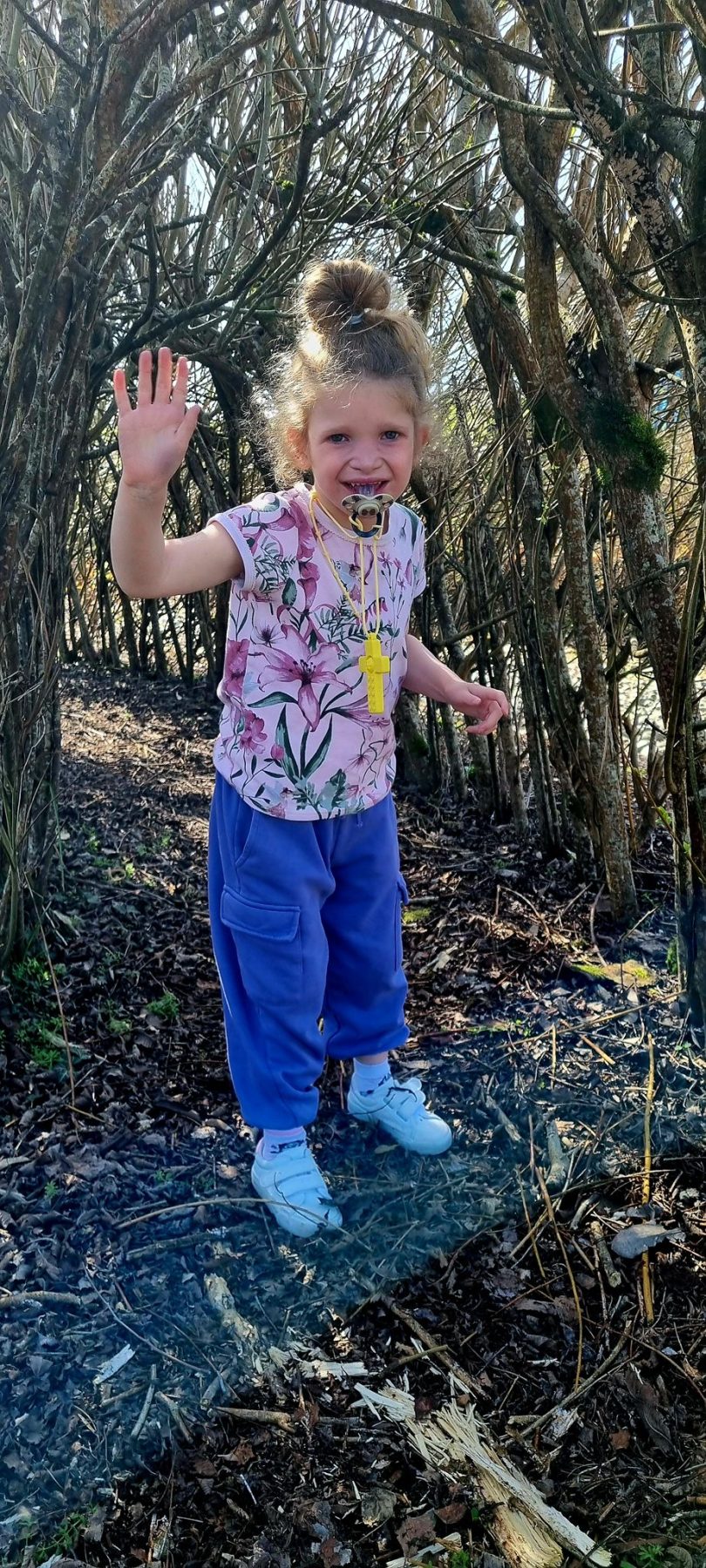
“People might see children with feeding tubes, or children like Zeniah wearing bibs, or using things like chewies or a dummy,” Dana explains. “And sometimes people will say, ‘oh, isn’t she a bit old for that?’” These moments can be difficult, especially when families are already navigating so much.
“People say ‘We all live the same 24 hours’, but we definitely don’t live the same lives.”
What helps most isn’t advice – it’s understanding. “Rather than trying to fix things or suggest things, just be there on a human level… have a normal conversation.”
Children, Dana says, often get this right. “I love it when kids ask questions like ‘why doesn’t she talk?’, because it comes from a place of curiosity.”
It’s a reminder that awareness starts with openness, and that difference doesn’t need to be something we shy away from.
There are also practical ways people can make a difference. Accessibility matters more than many realise – from inclusive spaces to something as simple as respecting disabled parking.
“The amount of times we’ve had to turn around and go home because there are no disabled spaces as they’ve been misused… people don’t realise how much that impacts what we can do as a family.”
At its heart, the message is simple:
Some children need quieter spaces.
Some eat differently.
Some communicate in different ways.
Some can’t join big events.
But they are still joining in – just in ways that work for them.
“It might not look like your mealtimes, but it doesn’t mean it’s any less.”
This Easter, if you see a family doing things differently, offer understanding. Offer kindness. Offer space.
Because for families like Zeniah’s, Easter isn’t about perfection, it’s about finding joy in the moments they can share, and celebrating in the way that works for them.