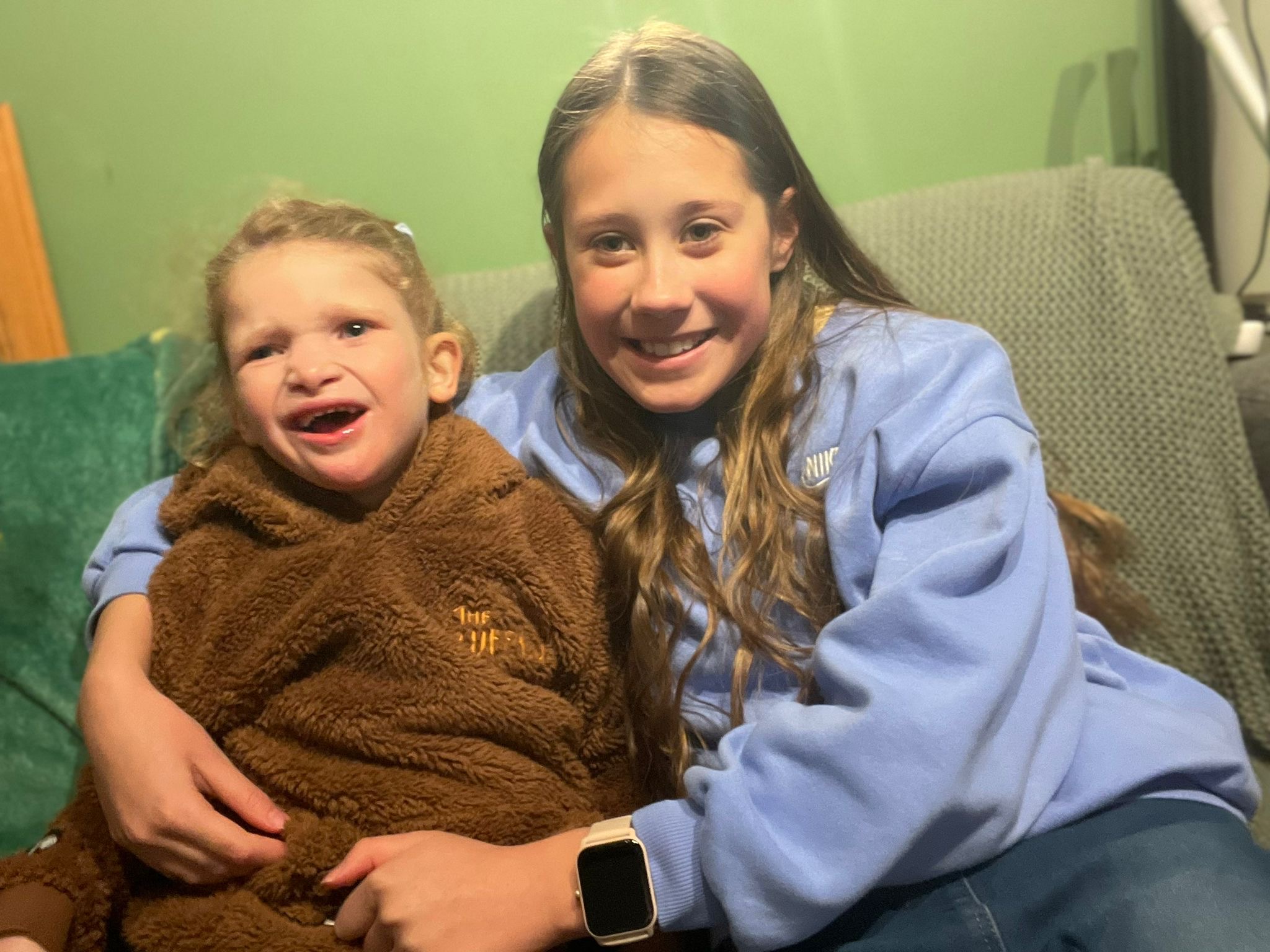
When you speak with 12‑year‑old Kirianna, one thing becomes clear almost instantly: her love for her little sister, Zeniah, is boundless.
Thoughtful, humble, and quietly extraordinary, she embodies the very spirit of what it means to be a sibling to a child with complex medical needs.
This year, her kindness has been recognised – and deservedly so. Kirianna has been nominated for a prestigious WellChild Award, celebrating children and young people across the UK.
As Chris Capewell, Head of Communications and Marketing at WellChild, explains:
“Established in 2005, the WellChild Awards, in association with GSK, have become one of the most special moments in our year. They give us the chance to celebrate extraordinary children and young people from across the UK who show exceptional courage in the face of serious illness. We also get to honour the unsung heroes, the dedicated carers, nurses and health professionals, whose commitment and compassion transform lives every day.
With high-profile national media support, celebrity supporters and many well‑known friends joining us, the WellChild Awards remain a powerful celebration of resilience, inspiration and the incredible impact these young people and their families have on all of us.”
For families like Kirianna’s, that recognition means the world.
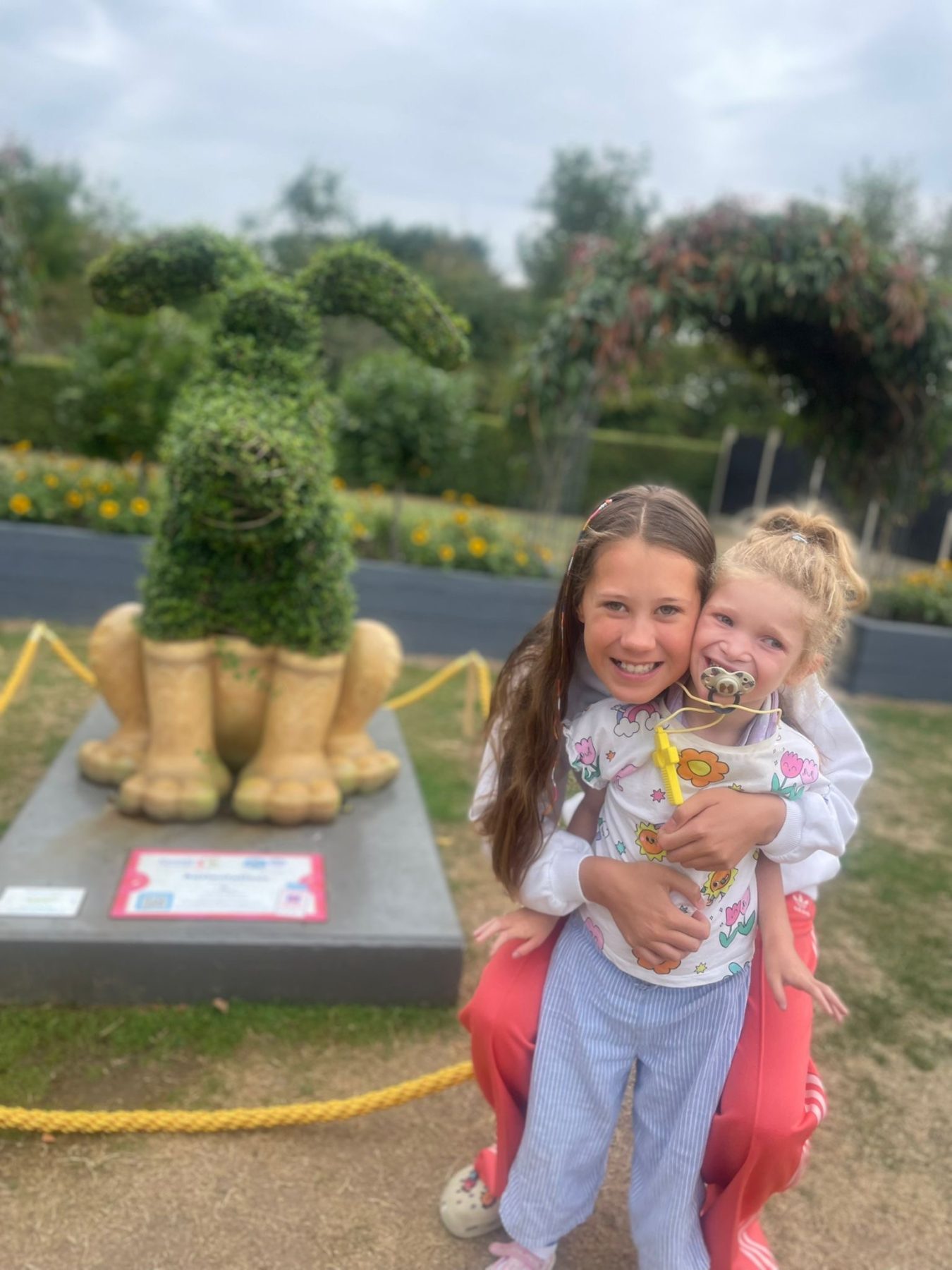
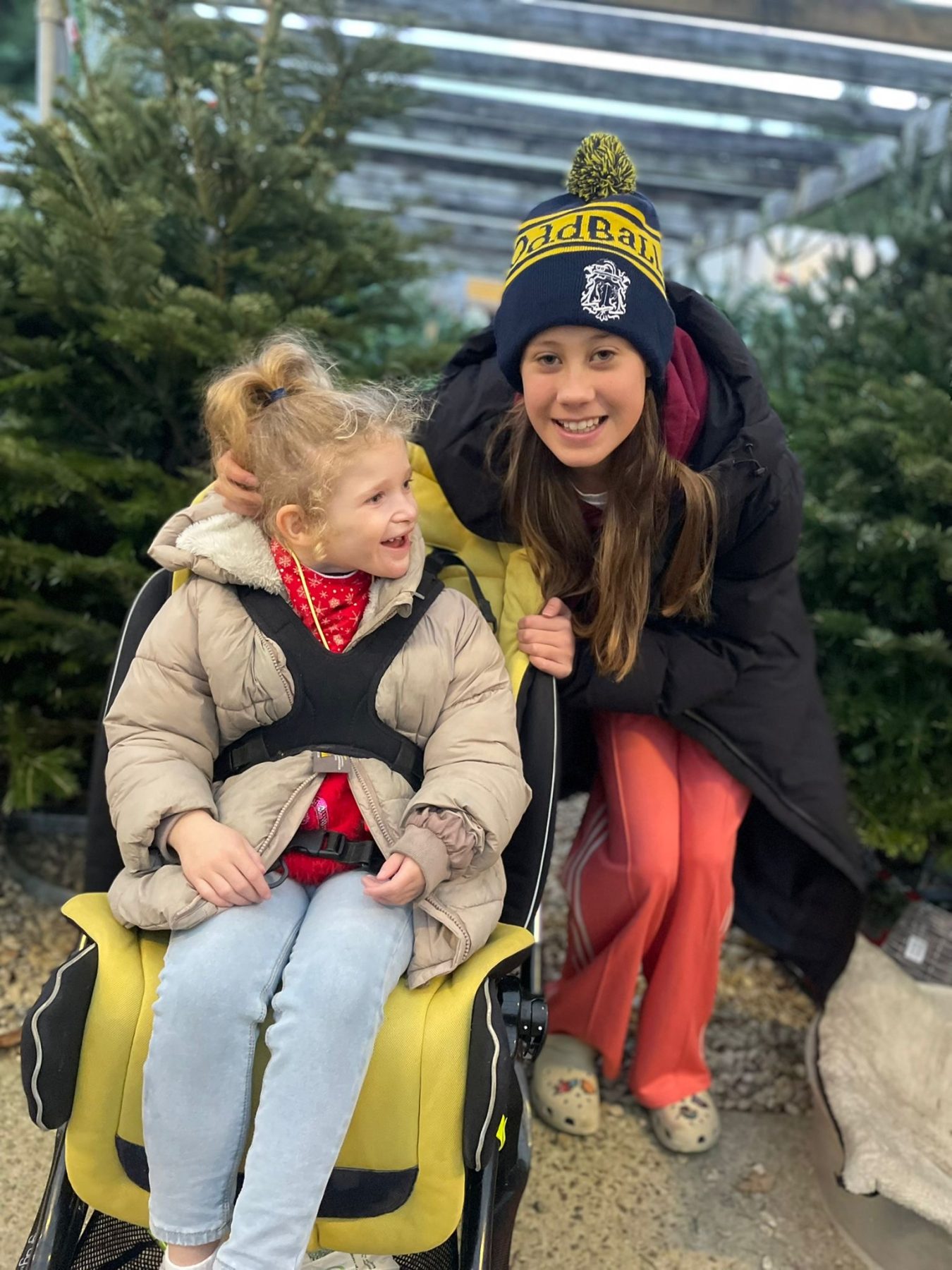
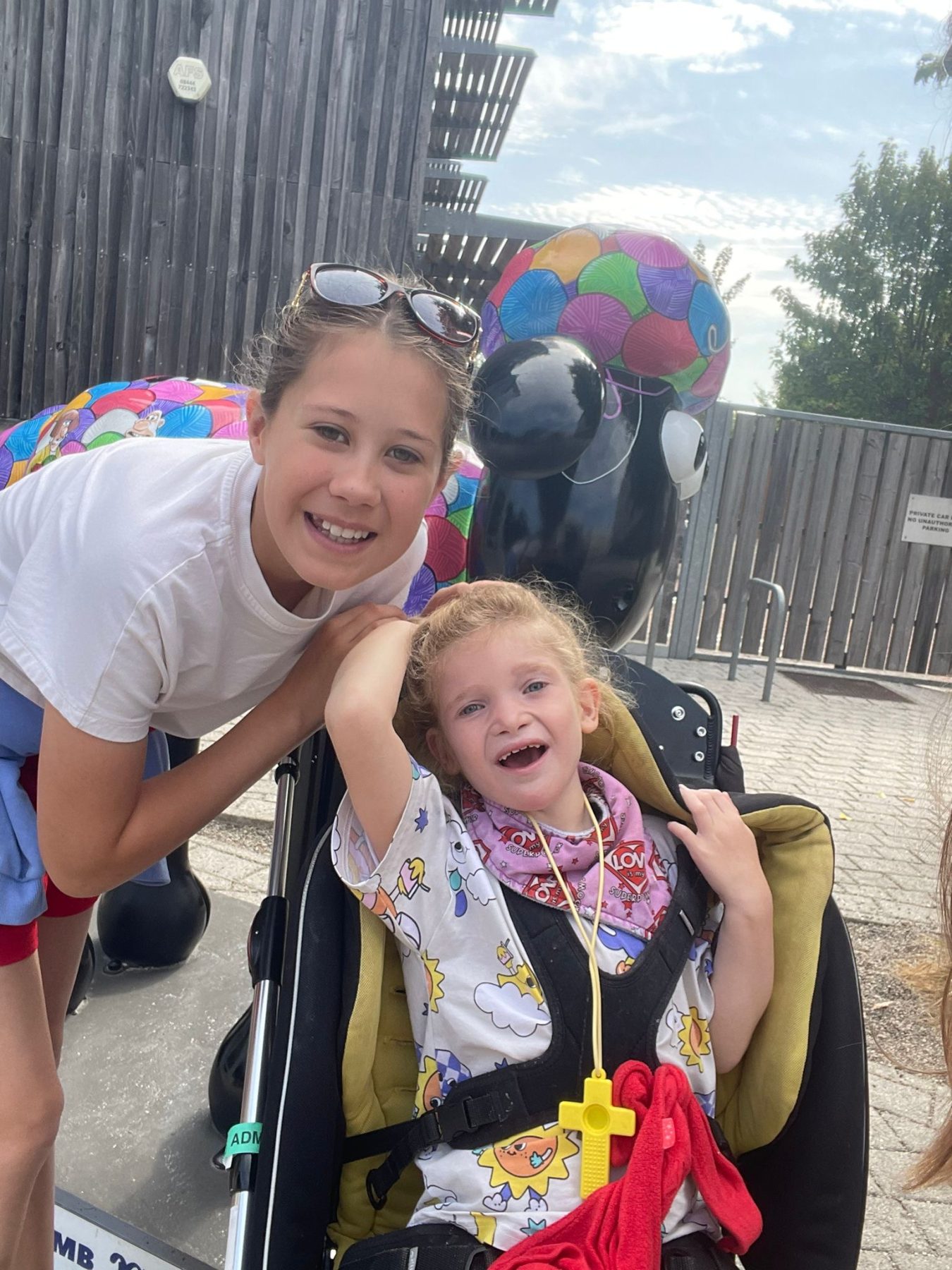
Zeniah lives with Mowat‑Wilson Syndrome, a rare genetic condition that affects many aspects of her health and development, including epilepsy, communication, mobility, and sensory processing. Despite these challenges, she is described by her family as happy, sociable, and full of light.
And right beside her, always, is her big sister.
When asked why she thinks she might have been nominated, Kirianna answered with her characteristic modesty:
“I look after her a lot… if my parents are cooking or my dad’s working or my mum’s busy, then I’ll sit with my sister and play with her. Or when we go on walks, I’ll push the pram, or I’ll sit with her in the car if she’s sad.”
But her mum, Dana, gently adds the things Kirianna doesn’t say:
“She won’t tell you all these things, but sometimes when I’m poorly or struggling with lifting Zeniah, she’ll help get her into the car, or help carry her bags. If I’ve gone back to bed and the carer’s coming to take her out, she’ll make sure Zeniah has all her medicines and everything she needs. People don’t realise how much siblings do.”
It’s the quiet, everyday acts of care that make siblings like Kirianna extraordinary.
Not only does she support her sister at home; she also raises awareness in her school and community.
“I usually tell people what conditions she’s got and I tell them what it is and then say it doesn’t really matter that she has it because she’s still my sister.”
She even chose Zeniah as her “Matchbox Hero” for a school project:
“I got to tell my class a bit more about her and it was really nice to tell them more about my sister. Some people might think she can’t do things because she’s disabled, but she can. Her disability doesn’t stop her from doing everything.”
Her message is clear: disability does not define a child’s happiness, capability, or place in the world.
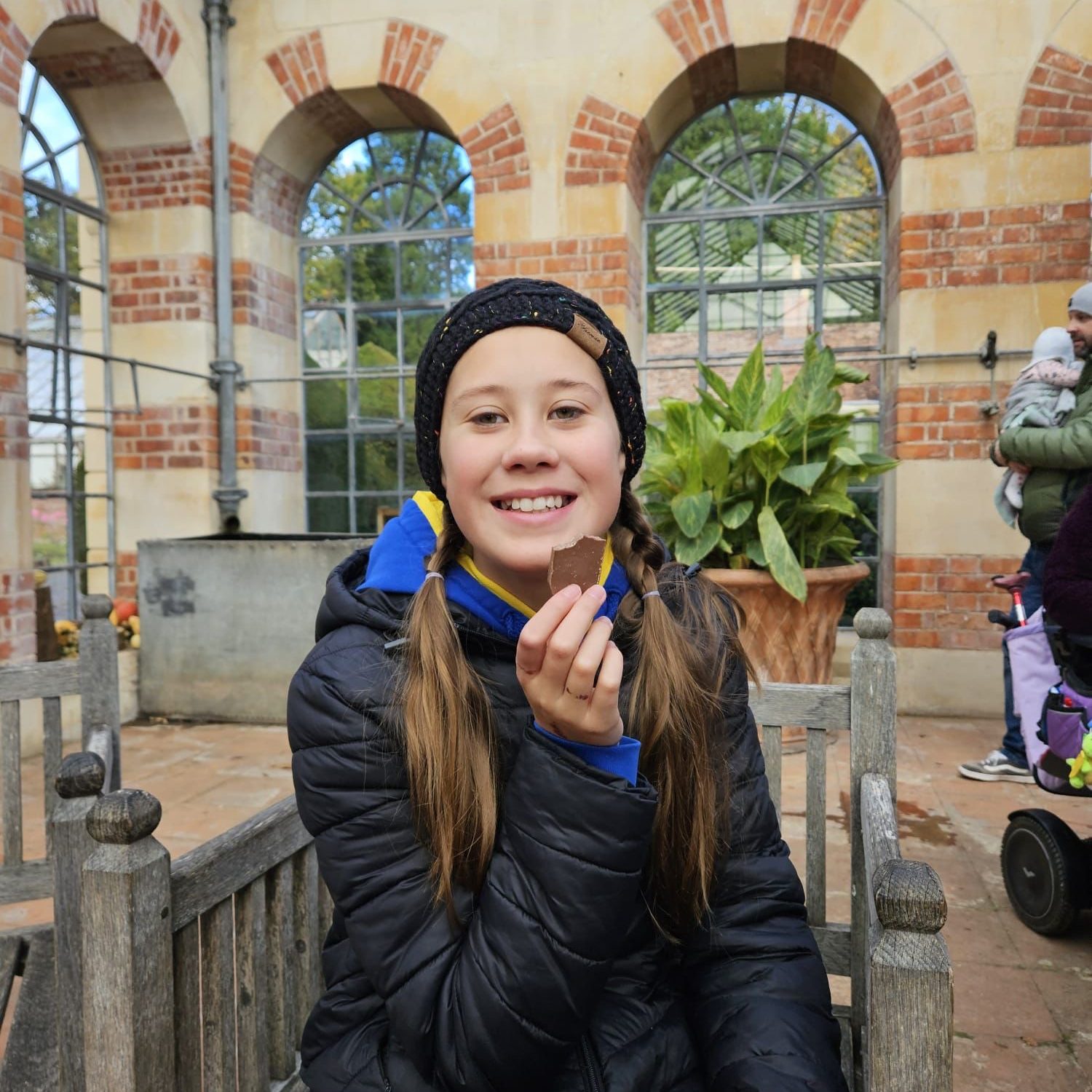
Alongside caring for her sister, Kirianna has thrown herself into fundraising and learning new skills to support others.
She has raised money for children’s hospices and the Mowat‑Wilson Syndrome Foundation through craft stalls, crochet, card‑making, and even a netball tournament. She also learned Makaton at a young age so she could communicate with Zeniah and understand her better. It quickly became their shared language, helping her sister express choices, needs, and feelings.
What makes this even more special is that Kirianna doesn’t keep that knowledge to herself. She teaches her friends simple signs so they can connect with Zeniah too.
“I still tend to teach my friends how to sign their name or say hi, just to teach them a bit.”
For Kirianna, Makaton isn’t just communication – it’s inclusion, awareness‑raising, and her way of making the world a little easier and kinder for her sister.
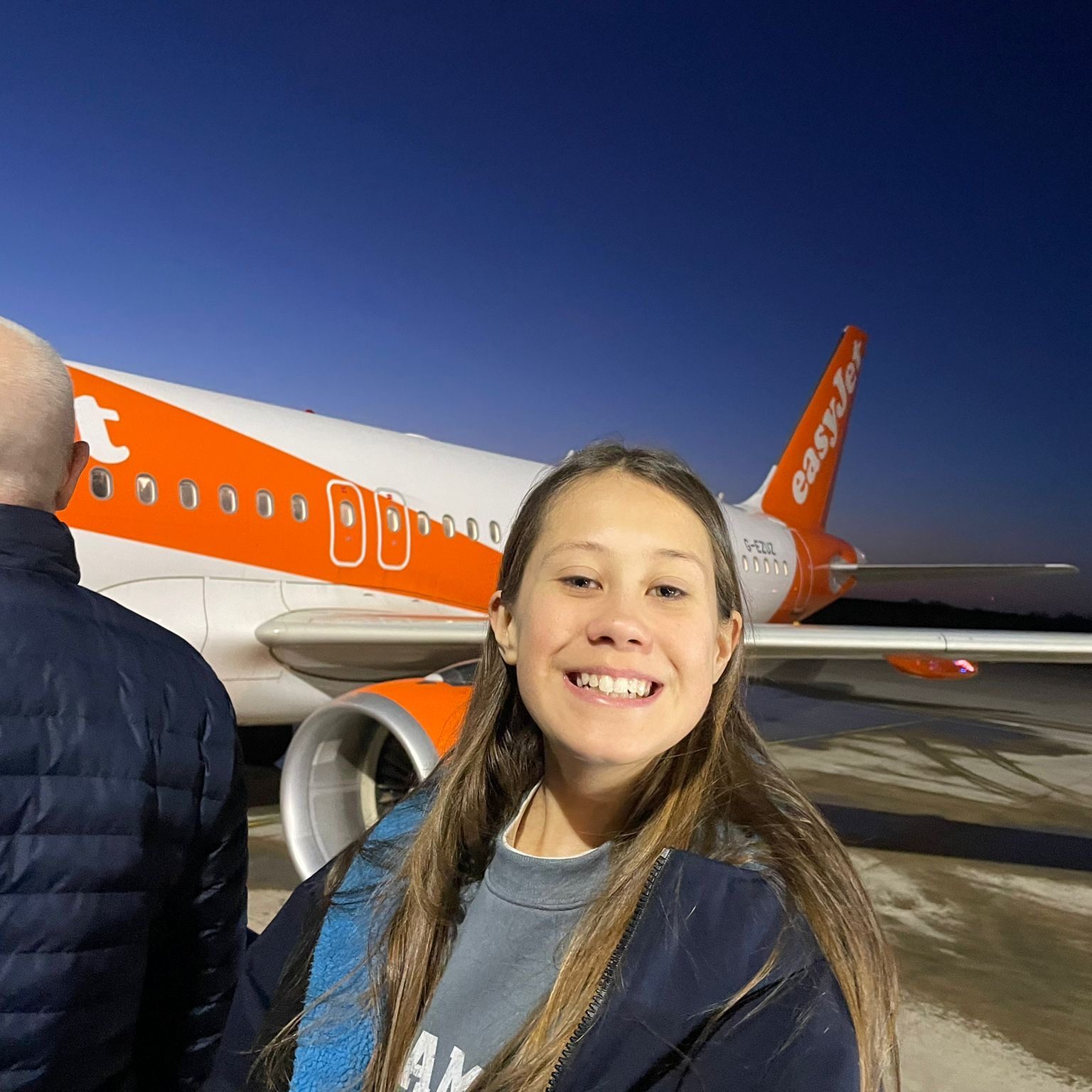
This is a picture of Kirianna going on an airplane for the first time at age 12, flying to Glasgow. Dana explains, “We’d never been able to take her before because of Zeniah’s needs, and she was so excited. She is never resentful – always compassionate. Love her heart.”
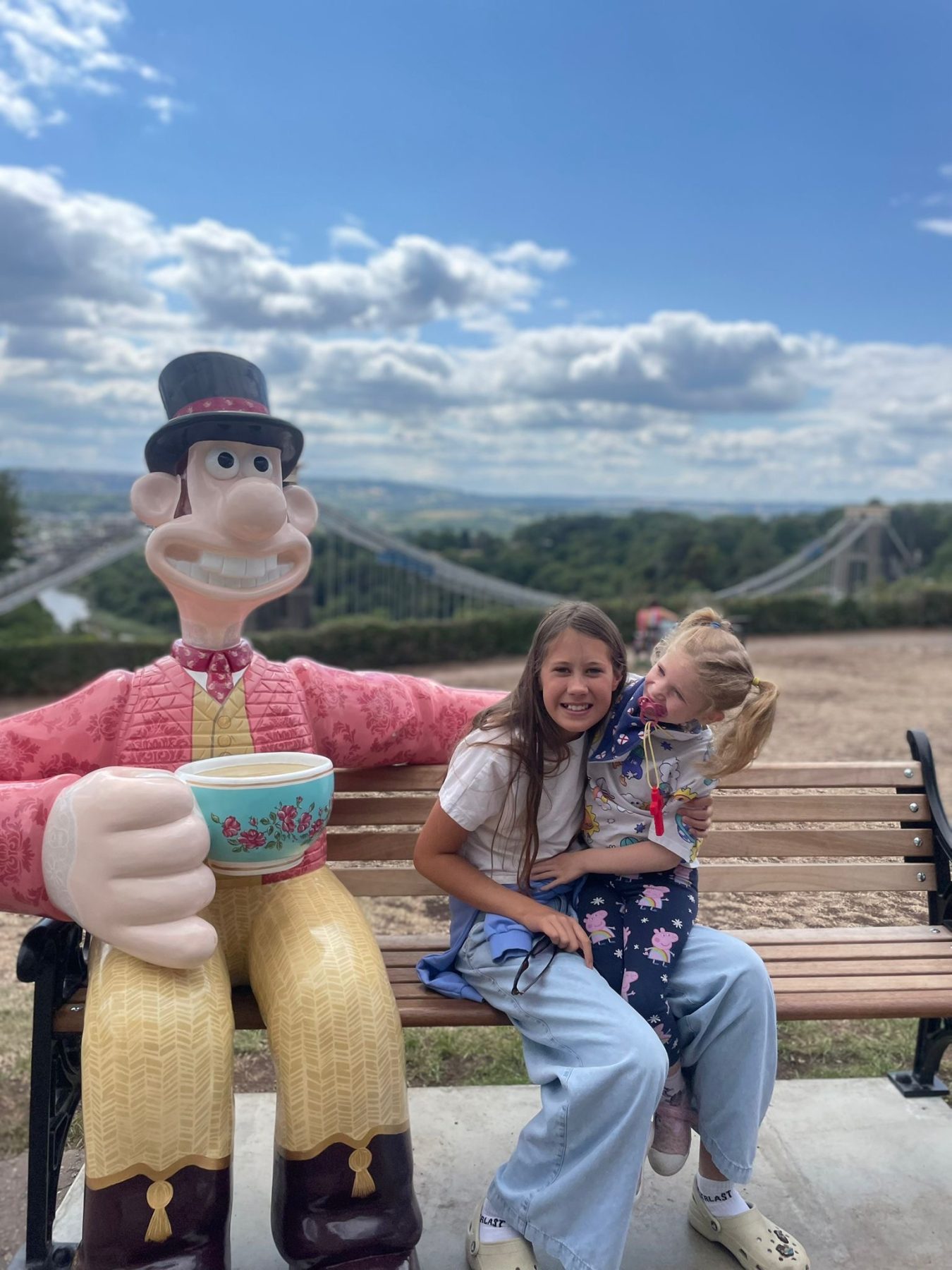
Being a sibling to a child with complex needs is beautiful, but it can also be hard.
When asked what she finds difficult, Kirianna shared:
“It’s normally when she’s having a seizure or if she’s really upset; it makes me sad or worried that she’s unwell.”
Her words reflect the emotional weight many siblings quietly carry. Their days can shift in an instant – from laughter to worry, from play to responsibility – and they learn to navigate that unpredictability with maturity far beyond their years.
At home, that responsibility shows up in countless small but significant ways. Dana explains:
“Sometimes she’ll have to get her own tea. She cooks for me if I’m having a bad day. She’s just brilliant. She’s a brilliant daughter, but she’s a brilliant sibling as well.”
But the demands of being a young carer don’t stop at the front door. They follow her into school too. Dana highlights how important it is for adults to understand this:
“Sometimes sibling carers are coming into school and you don’t know what’s gone on that morning. Yes, they’re not the ones with the disability, but it doesn’t mean their schedules or their time aren’t affected. Kirianna may have had to deal with 12 paramedics in the house over night with zeniah being admitted to hospital and then show up for school ready to learn the next day.”
She’s grateful that Kirianna’s teachers recognise this and respond with compassion:
“We are so blessed that her school is supportive – they have given her a student mentor and they give her a time out pass as and when needed; school is such a safe and happy place for her.”
This awareness matters. It gives siblings like Kirianna room to breathe – room to be children, students, and friends, not just carers.
And it’s exactly why charities like Jessie May place such emphasis on supporting the whole family. Their presence lightens the load, emotionally and practically, ensuring that siblings feel seen, valued, and supported too.
The Impact of Jessie May
The Jessie May nurses have become a trusted, uplifting presence in the family’s life. Kirianna is very grateful for their help, as much as her parents are.
“They’re always really nice – They chat to me and play with my sister. They remember things about me too, like if I’ve been to Holland. They’re always really kind to my sister, which is really nice.”
For siblings, being seen matters.
Dana notices it too:
“They remember things about Kirianna; small things she’s mentioned. It makes it obvious they care about her wellbeing as much as they do for Zeniah.”
The family also really enjoy going to the Jessie May days out and events – it’s particularly special for Kirianna because she’s able to get involved. It’s not always easy for the family to arrange days out that are accessible or suitable for both Kirianna and Zeniah, so having activities where they can take part together means a great deal.
A Sister worth celebrating…
When asked what she wishes people knew about her as a sister, Kirianna said:
“I don’t treat her any differently. She’s still my sister and she’s really nice and I love her.”
And perhaps the most touching moment came when she described her favourite thing about being Zeniah’s sister:
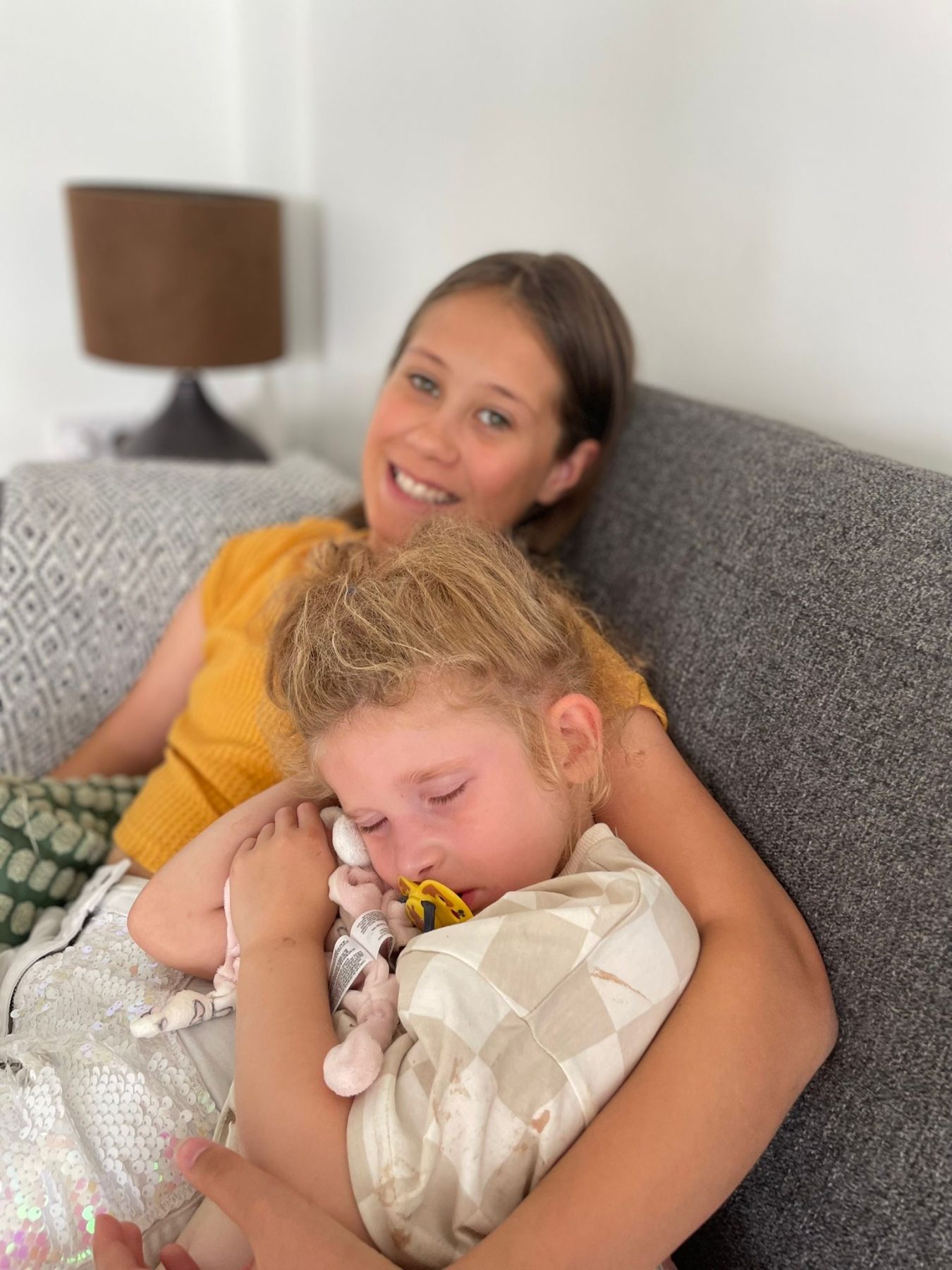
“She’s always really happy – she’s always up for having a cuddle and sitting on the sofa with me. I really like that.”
Siblings like Kirianna are often the unsung heroes of families navigating life‑limiting or complex conditions. They grow up with extraordinary empathy, resilience, and responsibility – often without ever seeking recognition.
Her WellChild Award nomination shines a light on her kindness, her advocacy, her care, and her remarkable love for her sister.
And she deserves every bit of it.