When mum Kelly became pregnant with her first child in 2011, she had all the usual hopes and dreams any new mum carries. Her pregnancy progressed smoothly without complications. Nothing hinted at what was coming. Freya arrived via C‑section because she was breech, but even then, no one seemed concerned.
“She was tiny, just 6lb 1oz, but perfect. Or at least, that’s what everyone told me,” Kelly recalled.
But very early on, Kelly noticed things that others didn’t. Freya wasn’t fixing or following with her eyes. She wasn’t developing at the same pace as the babies around her. And although people reassured Kelly, her instinct told her otherwise.
That instinct became the driving force behind Freya’s diagnosis. Kelly pushed, questioned, and refused to be dismissed. She sat on the floor of her GP surgery and said she wouldn’t leave until someone listened. When a doctor finally looked at Freya and said, “I believe you,” it was the first moment of validation in a long and frightening journey.
After a series of tests, including an MRI and a biopsy, the family received devastating news: Freya had Pyruvate Dehydrogenase Deficiency, a rare metabolic condition that affects how her cells produce energy. They were told she would not survive childhood. They were told there was nothing to be done.
“I remember asking, ‘Is she going to die?’ And they said yes. No compassion. No comfort. Just a devastating truth delivered without humanity.”
Kelly remembers every detail of that moment – the room, the doctor’s voice, the box of tissues on the table. But she also remembers something else: the strong sense of determination that rose up inside her.
She looked at her husband and said, “I’m going to prove them wrong.”
And she has.
How The Freya Foundation began..
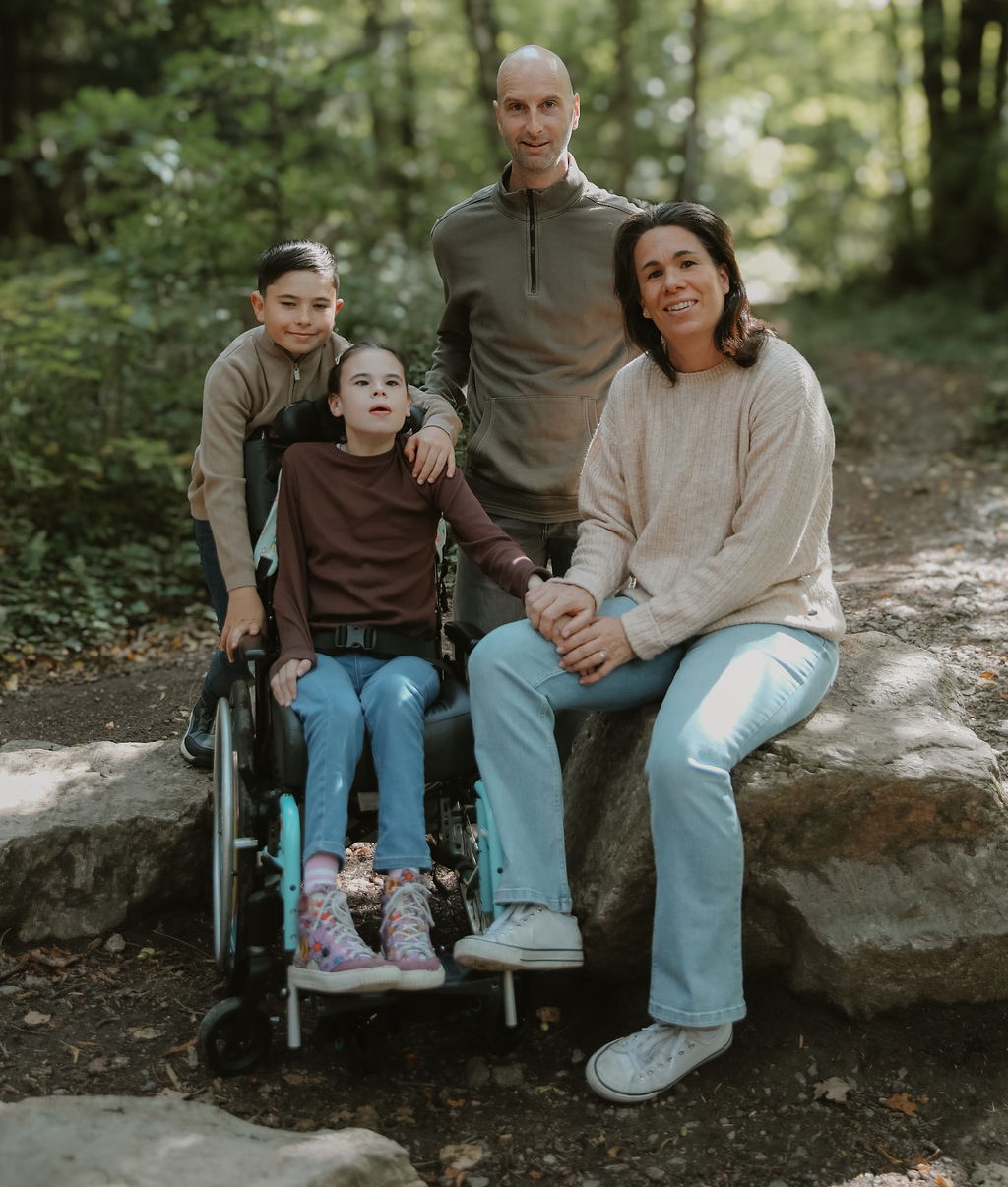
After Freya’s diagnosis, Kelly and her family were told to “go to the hospice and make memories.” But for Kelly, that was never going to be enough. She needed answers. She needed hope. And she needed to understand a condition that no one around her seemed to know anything about.
That determination is what led her to create The Freya Foundation.
“If the system couldn’t give us the information we needed, we were going to find it ourselves. We started raising awareness, researching, and connecting with families across the world. I refused to let Freya’s future be defined by outdated research from the 1970s.”
In those early days, Kelly and her family were left to navigate PDH almost entirely on their own. There was no clear guidance, no central source of information, and very little understanding of the condition. The Freya Foundation was born from that gap – from a mother’s determination to make sure no one else had to face the same uncertainty and isolation.
Above all, she wanted to make sure that no parent ever felt as dismissed, unheard, or alone as she once did.
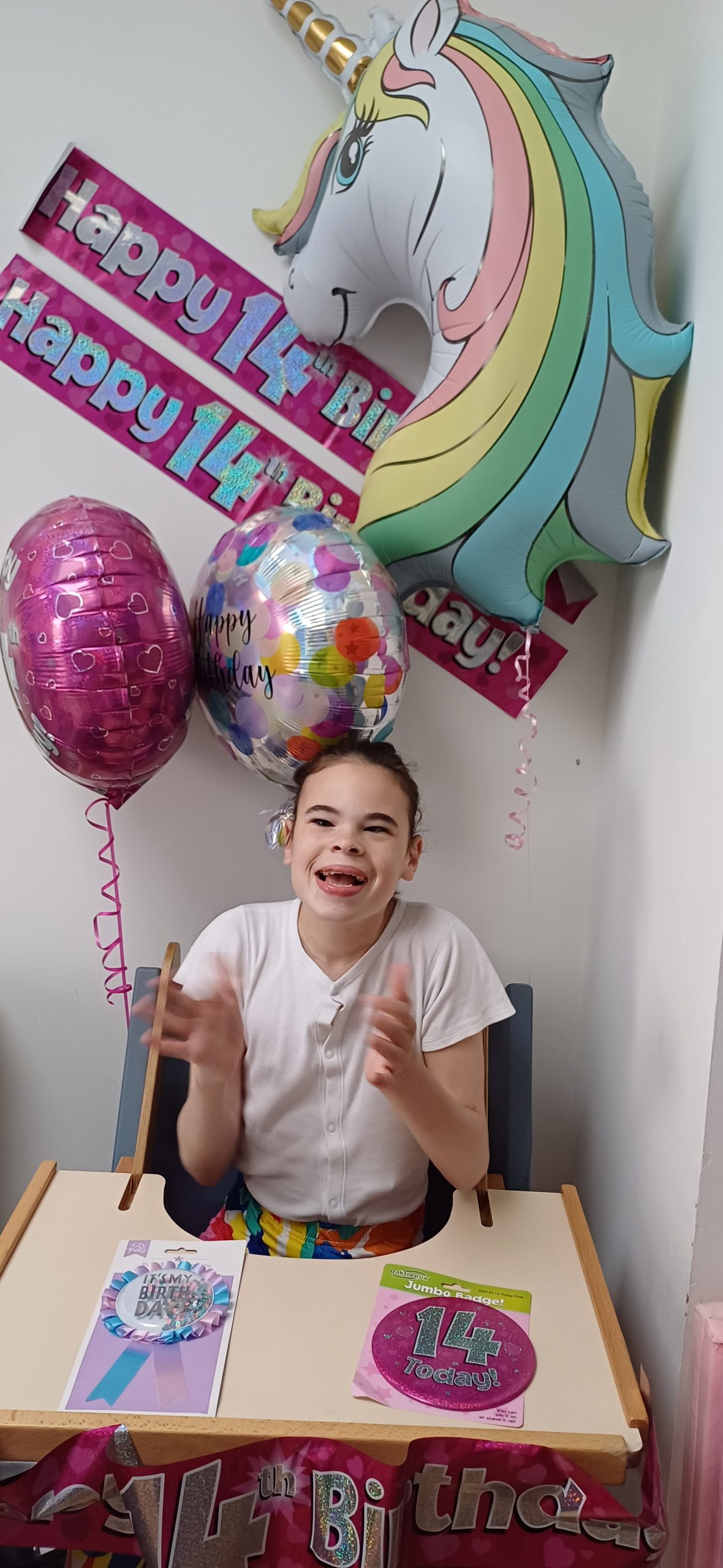
Freya was originally given a life expectancy of just two or three years, yet she is now 14 – a testament to her strength and to the incredible determination of her parents. While this isn’t the reality for every child with PDH, Freya’s story shows what can be possible when families are listened to, supported, and empowered with the right information.
About Freya
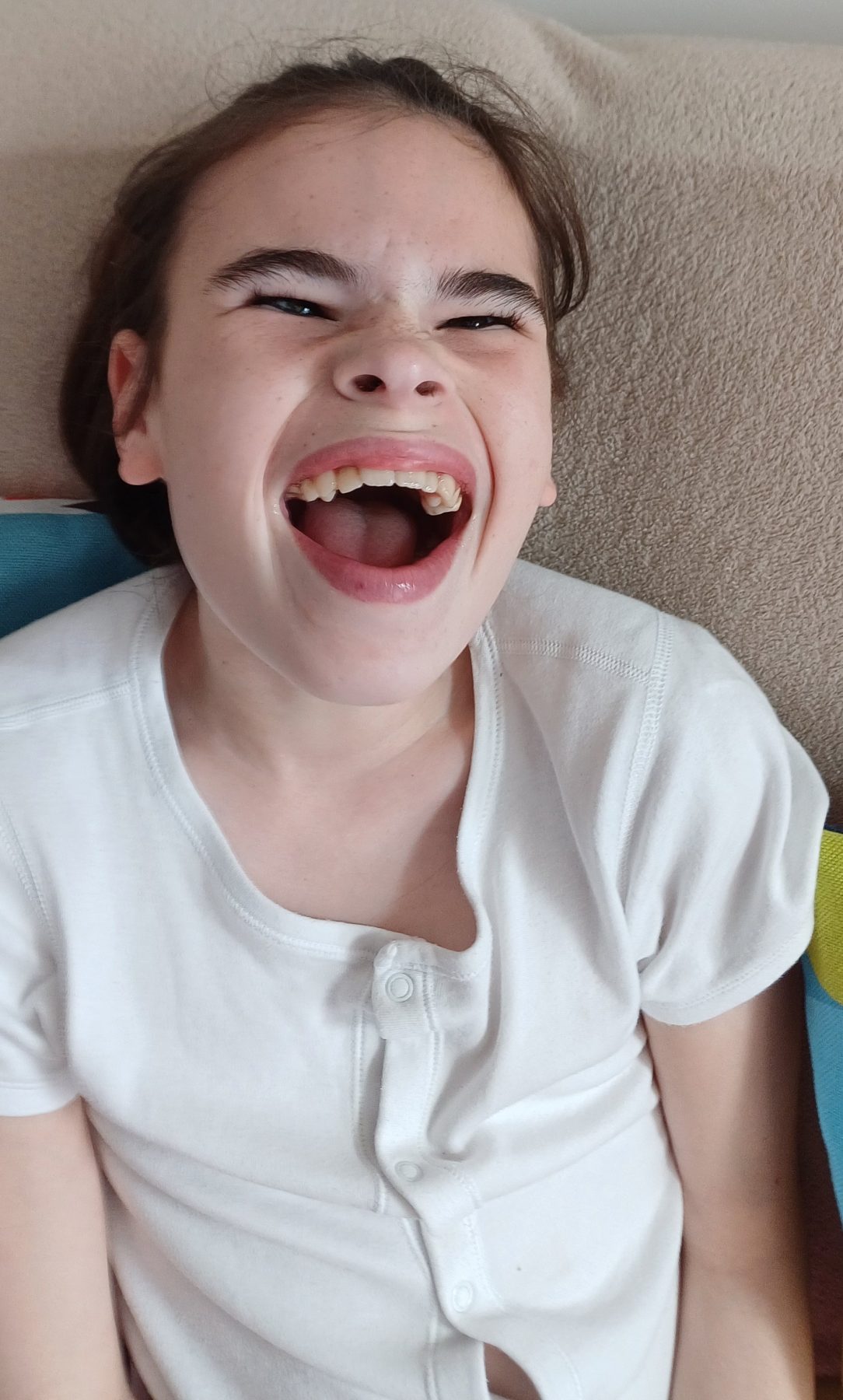
Freya’s condition affects the way her cells produce energy. Her brain is significantly underdeveloped, and she has a severe visual impairment. Because she burns fat instead of carbohydrates, she relies on a strict ketogenic diet – every gram of food must be carefully weighed and measured. She didn’t sit up until she was two. She is non‑verbal, yet she communicates beautifully in her own way.
And despite everything, she is full of life.
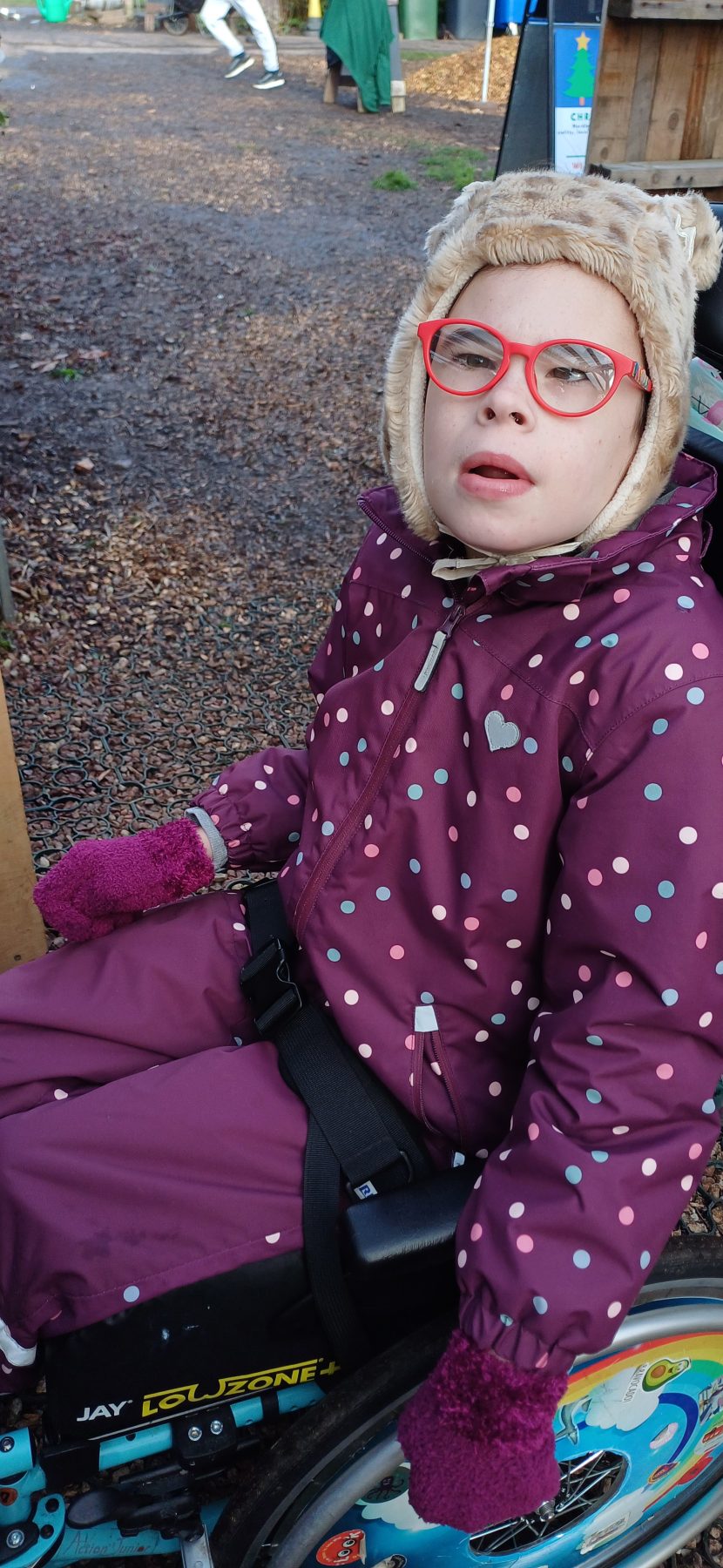
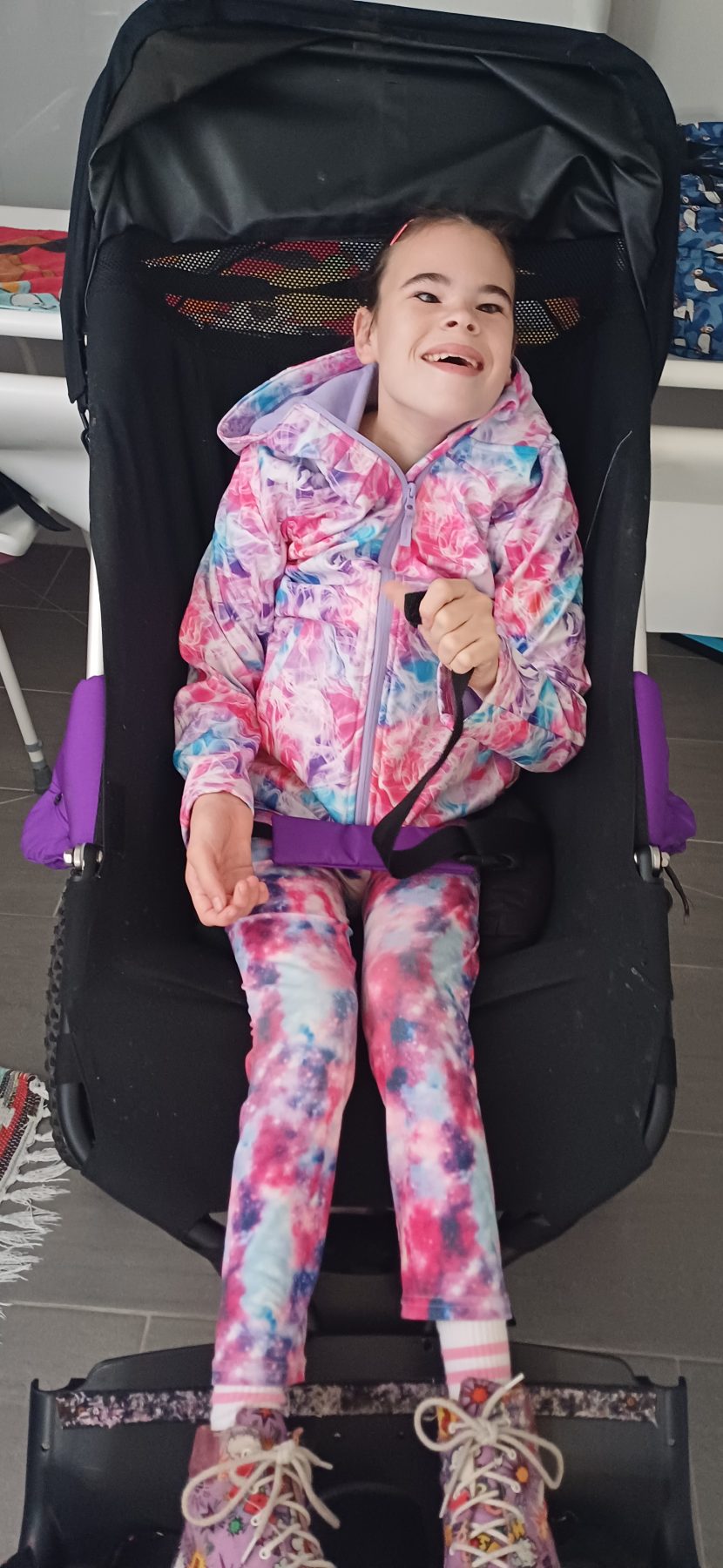
Her family affectionately call her “the queen,” because she has a way of getting adults to do exactly what she wants without saying a word.
“She claps herself into school every morning and insists everyone else claps too.” Kelly says, laughing.
She enjoys singing, bubbles, and hydrotherapy – where she can move more freely than she’s able to on land. In the water, she splashes, makes happy noises, and relaxes in a way that’s lovely for her family to see.
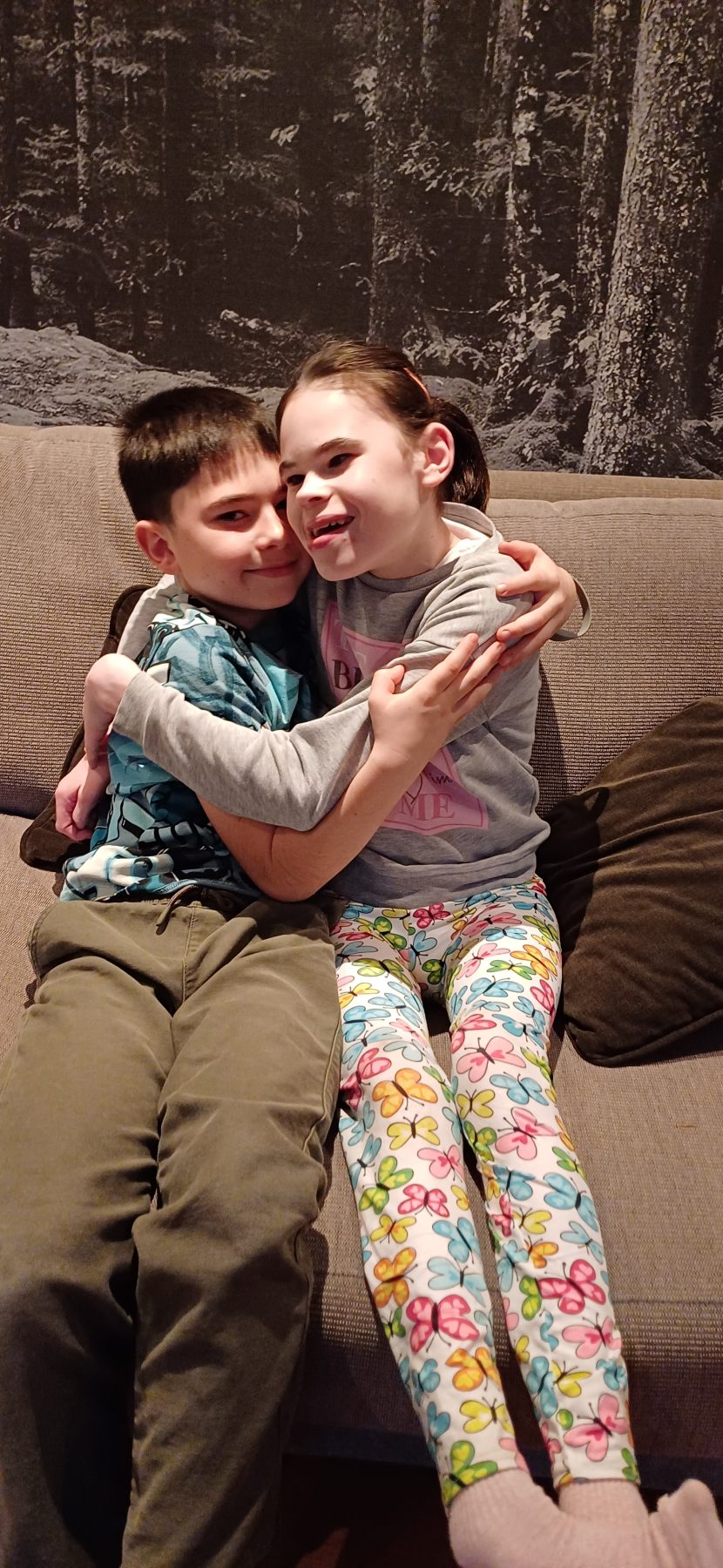
Freya’s younger brother, Freddie, is incredibly caring towards her. He includes her in activities whenever he can, looks out for her, and shows a gentle understanding of her needs. Their bond is quiet, but very strong.
Raising awareness about rare diseases
Freya’s story is just one example of the many families affected by rare diseases. Although each condition is uncommon on its own, rare diseases are much more common than people realise:
- 1 in 17 people in the UK will be affected by a rare disease at some point in their lives*
- There are over 7,000 known rare diseases, many of which still have limited research or treatment options*
- A rare disease is defined as one that affects fewer than 1 in 2,000 people*
Even with so many people affected, families often face long waits for answers, mixed experiences of care, and professionals who may never have seen their child’s condition before. The England Rare Diseases Action Plan calls for quicker diagnosis, better joined‑up care, and more awareness among healthcare teams* – changes that can make a real difference to families like Freya’s.
At Jessie May, we want to help raise awareness of rare diseases because many of the children we support live with conditions that are not widely known or understood. More awareness can lead to earlier recognition, more understanding from professionals, and better support for families who are trying to make sense of something completely new to them. It also helps make sure that children are seen as individuals – not just for their diagnosis, but for their personalities, strengths, and stories.
Behind every rare disease is a child like Freya: a child who deserves care, respect, and the chance to live life in the way that suits them best.
Jessie May’s support
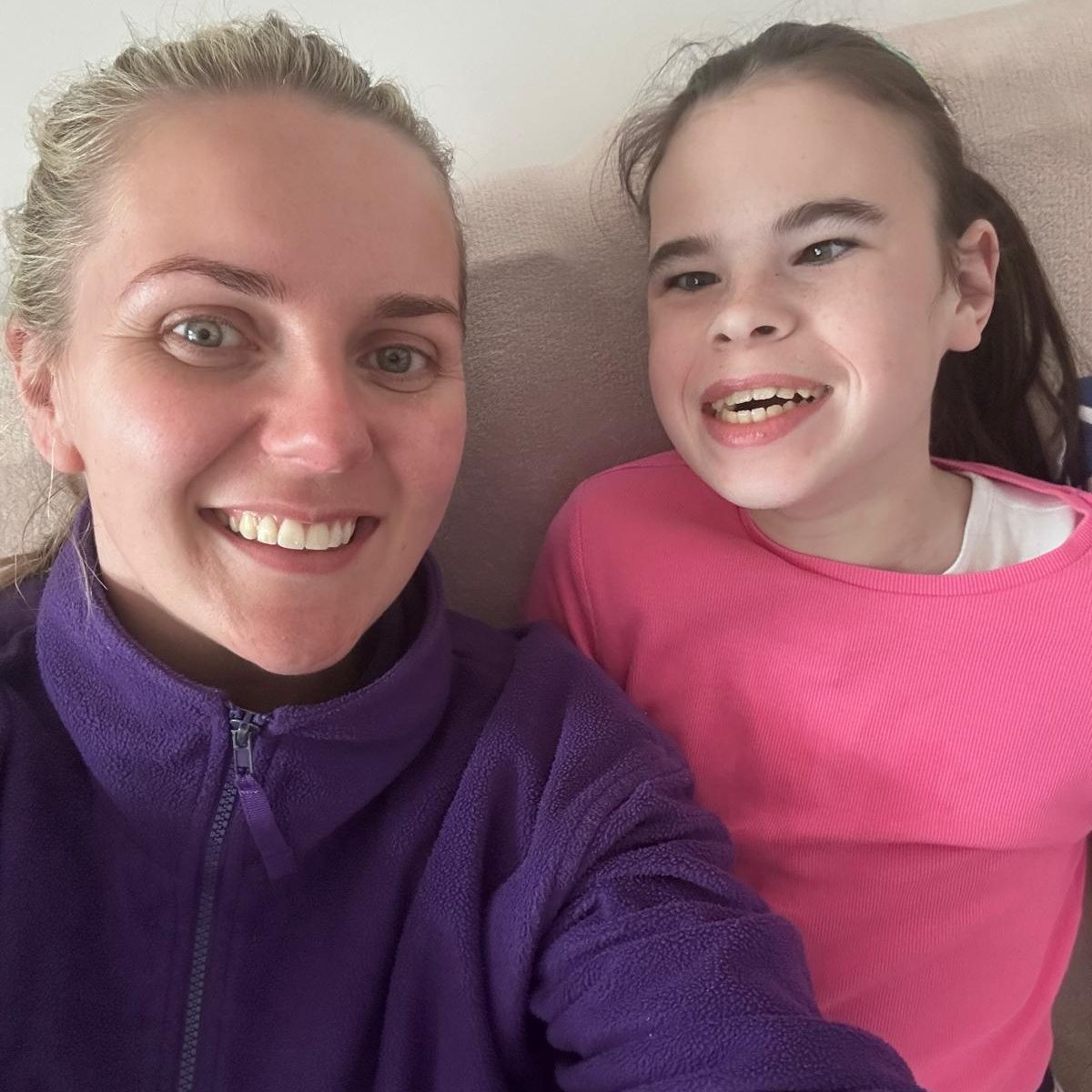
Jessie May has become a lifeline for Kelly and her family, offering the kind of support that feels human, personal, and free of judgement. When Freya was first diagnosed, Kelly described feeling overwhelmed by professionals, appointments, and the pressure of becoming “a doctor, a nurse, and a physio all rolled into one” as she learned to care for her daughter’s complex needs. Jessie May’s nurses changed that.
They came into the family home with warmth and no expectations, creating a space where Kelly could “just be herself” without worrying about the house, the chaos, or being judged. They help with bathing, singing, sensory play, and simply spending time with Freya in ways that make her happy – support that Kelly says “takes the pressure away and makes it about family”.
Kelly also really values the way Jessie May supports Freya’s younger brother, Freddie. The events and sibling days give him a place where he instantly belongs – where children of all ages “just hang out”, understand each other’s lives, and don’t need anything explained. For Freddie, these friendships are unlike any others, because “his other friends, lovely as they are, just don’t get it”.
Over the years, Jessie May has become woven into the family’s life, offering consistency, trust, and emotional safety. As Kelly put it, their superpower is that “there’s no judgement; they just make sure that you’re okay”.
A message from Kelly:
“Freya has taught me to trust my instincts as a mother.
She has taught me resilience I didn’t know I had.
She is the reason I will never stop fighting for families living with PDH.
I want professionals to remember that delivering life‑changing news requires humanity, not just clinical accuracy.
And I want the world to know that rare does not mean invisible.”
Every child deserves to be seen. Every family deserves to be heard. And every rare disease deserves attention.
To support more children like Freya, go to https://jessiemay.org.uk/support-us/.