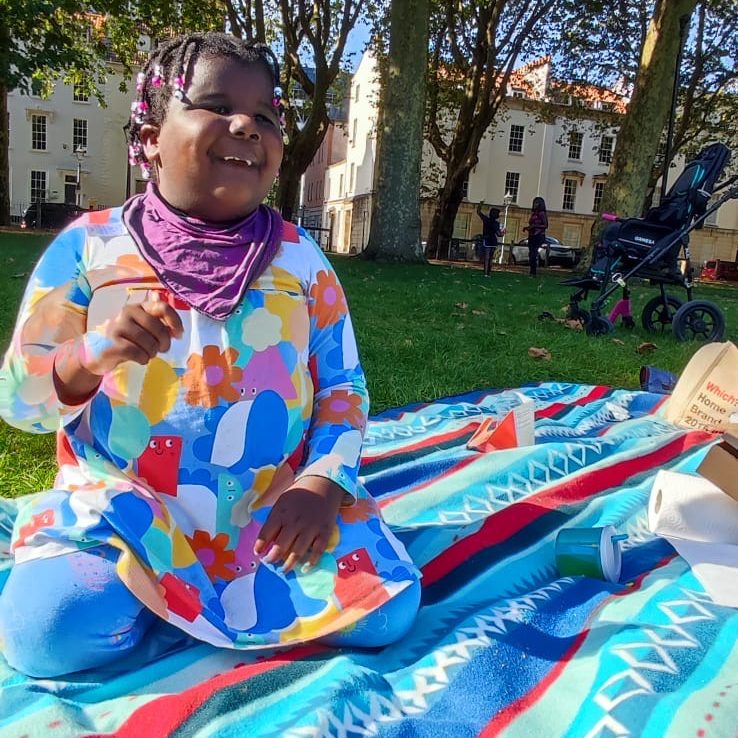
Michaela is seven years old and lives with Rett syndrome; a rare neurological condition that affects movement, communication and coordination. But as mum Angela is quick to emphasise, there is far more to Michaela than her diagnosis.
Angela explains, “Rett syndrome affects the body and movement. It doesn’t affect the person inside.”
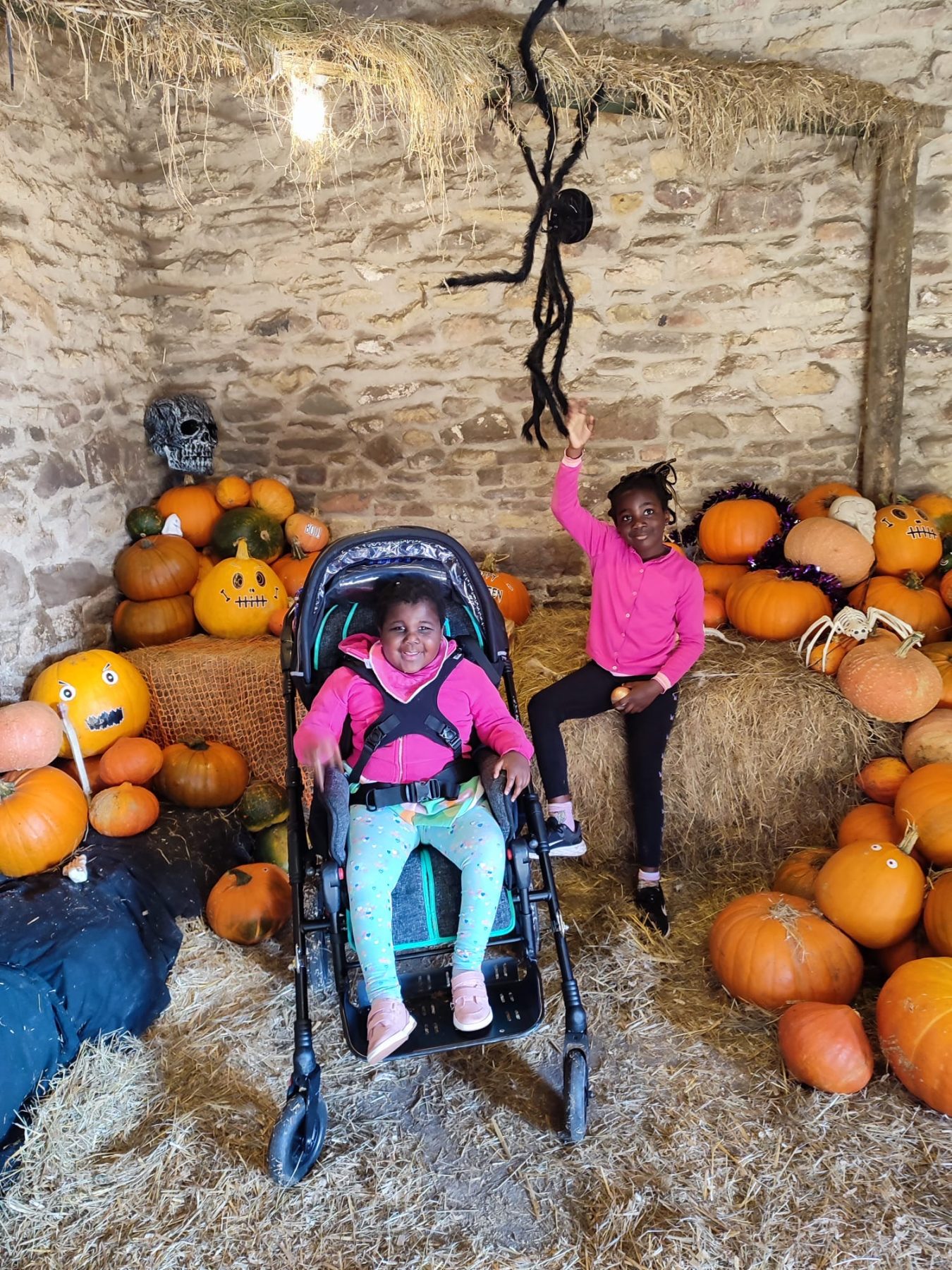
Michaela’s early development appeared typical at first. But around her first birthday, Angela began to notice subtle differences.
“She wasn’t meeting milestones… she didn’t enjoy bearing weight on her legs, and she wasn’t following basic instructions expected at that age.”
Despite raising concerns, Angela initially felt dismissed. “We were told, ‘they all develop in their own time’… it was very dismissive.”
Trusting her instincts, Angela sought further support. After months of uncertainty, and a seizure at around two years old, Michaela was referred for genetic testing. At two and a half, they received the diagnosis: Rett syndrome.
Life with Rett Syndrome
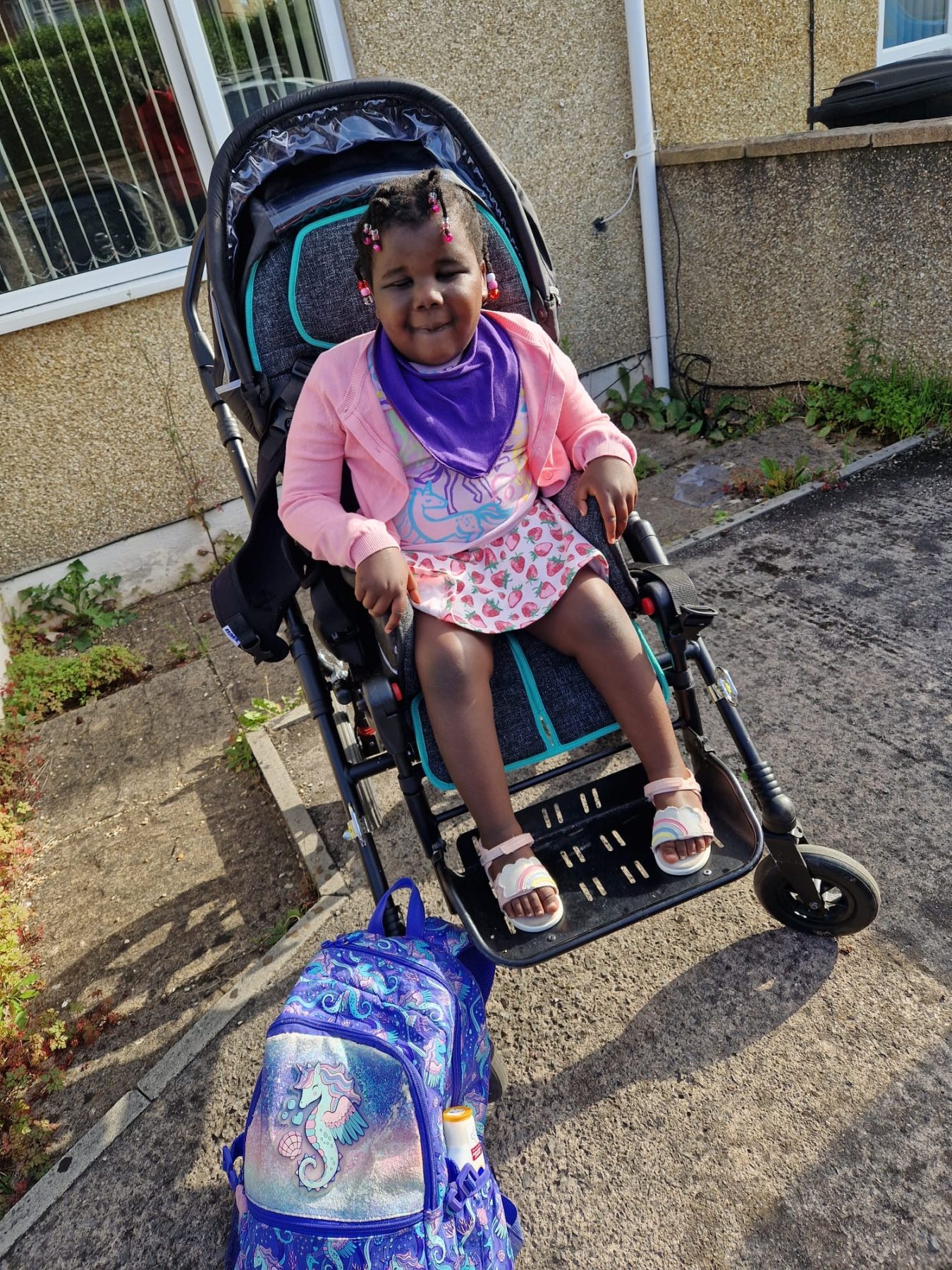
Michaela now needs round‑the‑clock care, and Angela is very open about how tough that reality can be. “I wouldn’t wish this on anyone,” she says, describing the constant support Michaela needs with every part of daily life. Michaela can’t walk independently and uses a wheelchair; she can finger‑feed but can’t manage cutlery on her own; and she relies on help with all personal care. She also takes a lot of medication each day to manage her complex health needs, including medication to help her sleep and to calm episodes she can’t control.
Communication is one of the biggest challenges. Michaela is non‑verbal, so Angela, her family, and her school team have learned to understand her through her expressions, her vocalisations, and the small, familiar mannerisms that reveal how she’s feeling. At school, she uses specialist communication techniques, and she absolutely thrives on connection.
“She loves engaging with people; when I mention her classmates, she just lights up.” Angela explains.
Michaela attends a specialist school in Bristol, where she is surrounded by people who understand her needs and celebrate her personality. Over the years, she has built remarkable resilience. Angela shared that the children’s hospital once felt like a second home because of how much time they spent there. For a long time, even driving past the building would make Michaela anxious, but with time and support, she has grown stronger and more settled.
Angela describes her daughter as resilient, happy and full of personality – a little girl who has faced more than most, yet continues to shine in her own unmistakable way.
“Michaela is honestly one of the most brilliant people I know. She’s been through so much, but she pushes through every bit of adversity with such strength. People often underestimate her, but she understands far more than they realise. Once you spend a bit of time with her, you see how funny she is, how fair she is, and that she’s got this wicked little attitude. She’s just amazing – that’s Michaela.”
Finding Support with Jessie May
As a family living far from relatives, support has been absolutely essential. Michaela was introduced to Jessie May when she was around four or five, and Angela says the difference it has made to their lives is huge.
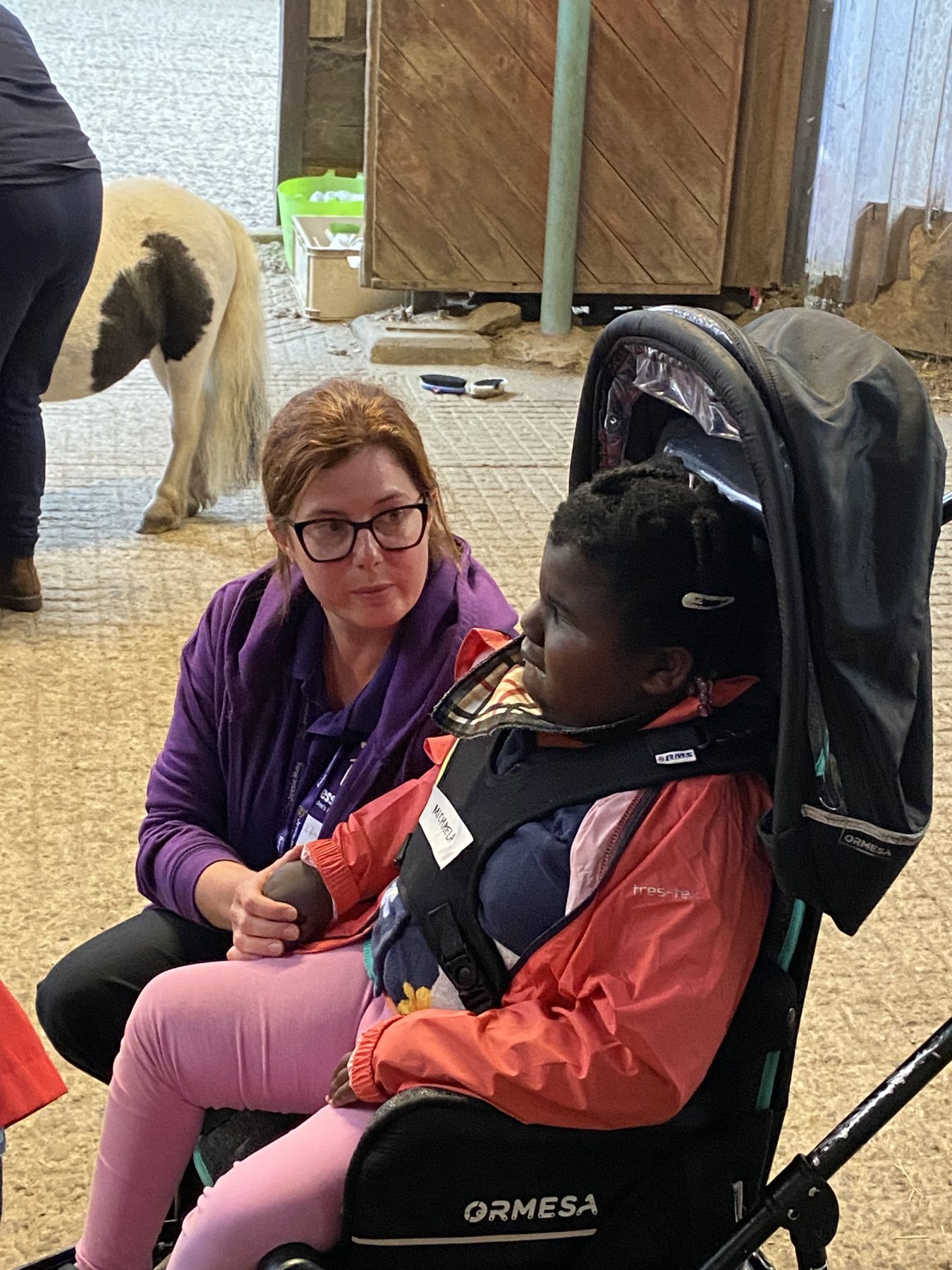
“The respite they provide is massive,” she explains. “Having someone come in and spend time with Michaela gives me a bit of rest, but it also gives her engagement and a change of routine, especially in the school holidays.”
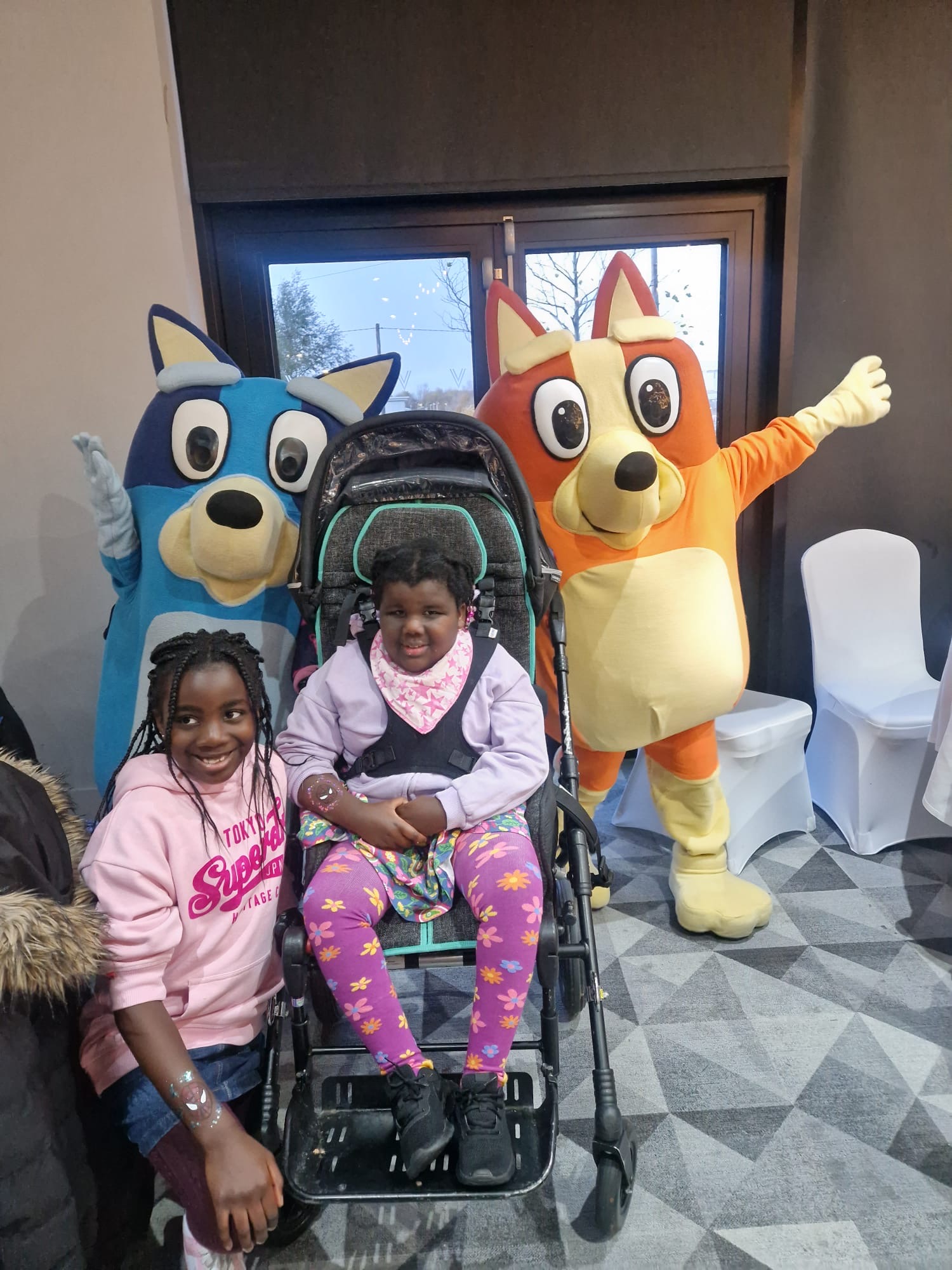
Jessie May’s support goes far beyond in‑home nursing care. Their family events and days out are invaluable to the whole family, offering rare opportunities for both Michaela and her sister Gabriella to enjoy something together.
“It’s very hard finding things both siblings can enjoy equally. Jessie May really thinks about that. When we go to their events, both girls love it.”
For Gabriella, who is now nine, these moments matter. Growing up with a sibling who has complex needs can be emotionally challenging – from feeling stared at in public to the guilt of being able to do things Michaela can’t. Angela shared how much it means to have spaces where Gabriella doesn’t feel different or on edge.
That’s why the charity’s inclusive events are so important. They help in practical ways, and they also create a space where families feel understood.
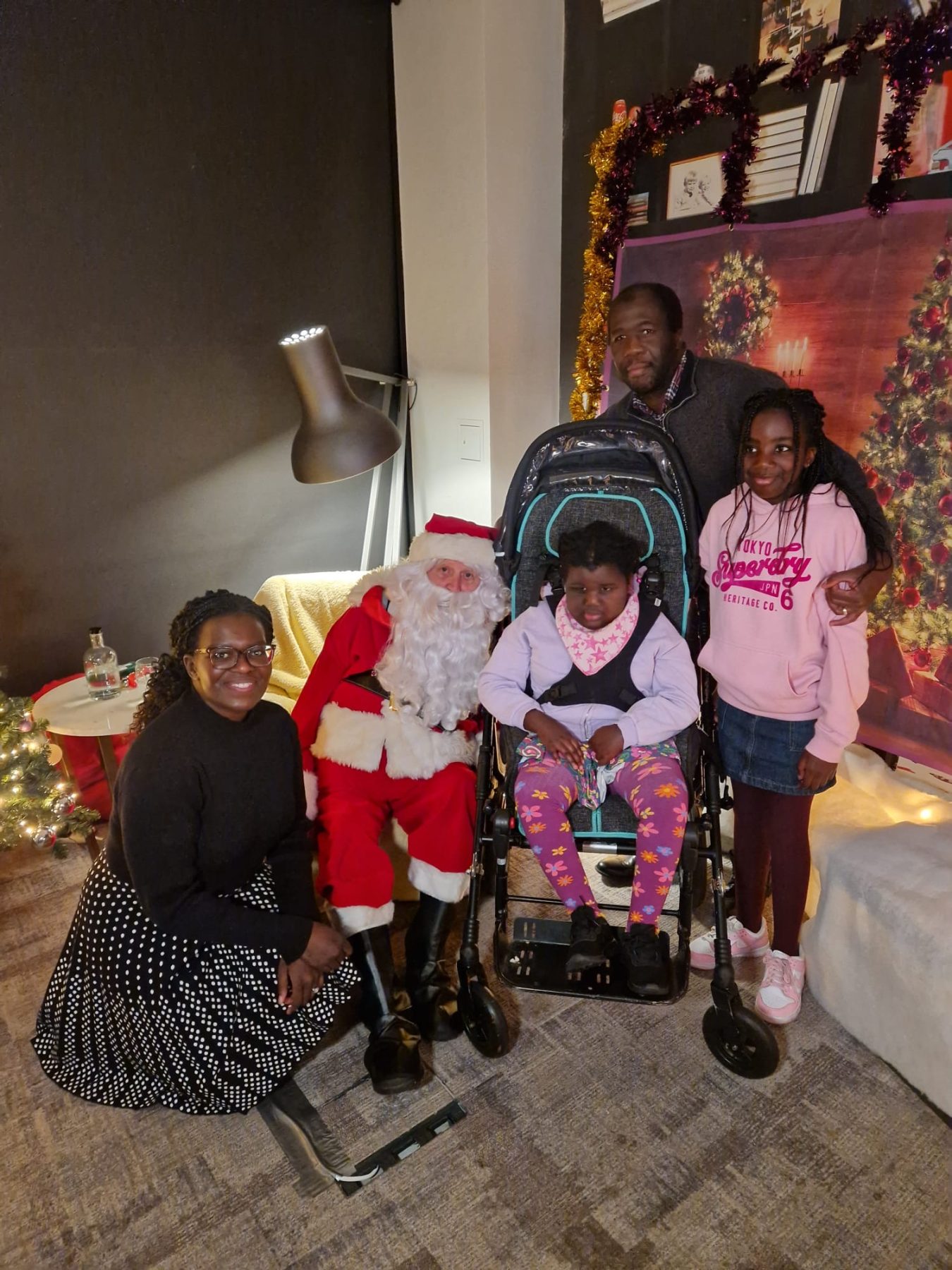
“We go to things like the Christmas party and I don’t feel like people are looking at us. We’re all in the same boat. It’s a place where families really understand what we’re going through.”
Changing Perceptions
For Angela, one of the biggest challenges isn’t just the condition itself – it’s how society responds to it.
“Don’t judge a book by its cover. Just because you see limitations, don’t assume what someone can’t do.”
She is passionate about changing misconceptions and increasing awareness, particularly among children.
“There needs to be more education around disability. Children stare because they’ve never seen it before – and that’s the problem.”
What needs to change
Every March, Developmental Disabilities Awareness Month shines a light on the importance of understanding, inclusion and advocacy. For Michaela and her family, this isn’t a once‑a‑year focus – it’s their everyday reality.
Angela is clear about what still needs to change.
“We talk about inclusion in schools – race, gender – but disability needs to be part of that conversation too.”
She explains how often young children stare in public simply because they’ve never seen a wheelchair user before. For Gabriella, this can be especially hard.
“It’s like they’ve never seen this before,” Angela says. “And they probably haven’t – that’s the problem.” She believes disability should be talked about openly in classrooms, just as other forms of inclusion are, so children grow up understanding that disability isn’t something to fear, avoid or laugh at.
Greater awareness, better education and more everyday exposure to disability would make a world of difference – not just for children like Michaela, but for siblings like Gabriella, and for families navigating these challenges every day.
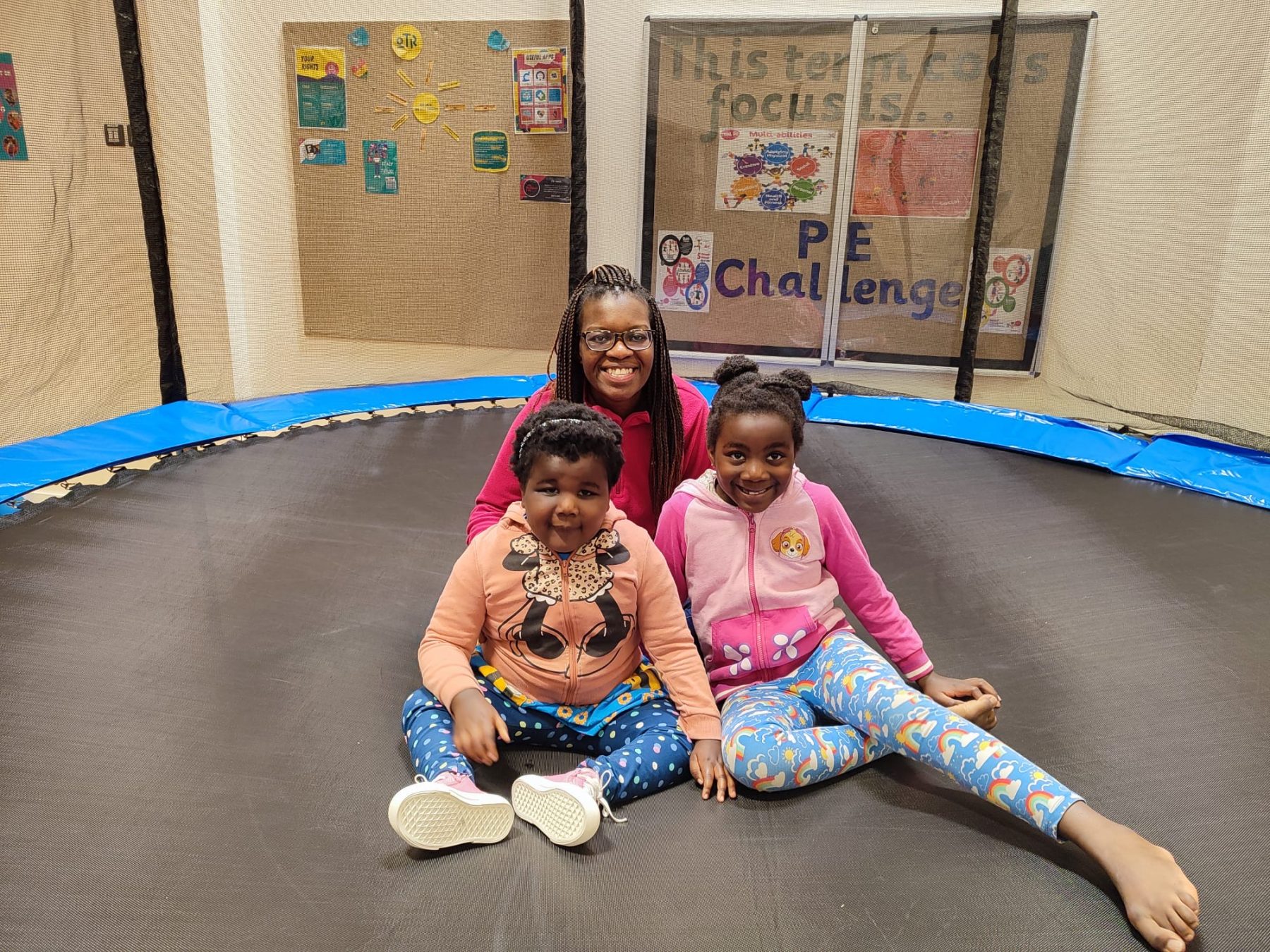
Angela reflects honestly on the challenges, but also on the strength it has built within their family.
“It’s taught me to speak up more… to trust my gut. Sometimes mum does know best.”
As Developmental Disabilities Awareness Month reminds us, families like Angela’s navigate a world that doesn’t always understand their reality. Support from services like Jessie May, and the instinct and advocacy of parents, make all the difference in helping children like Michaela be seen, included and understood.