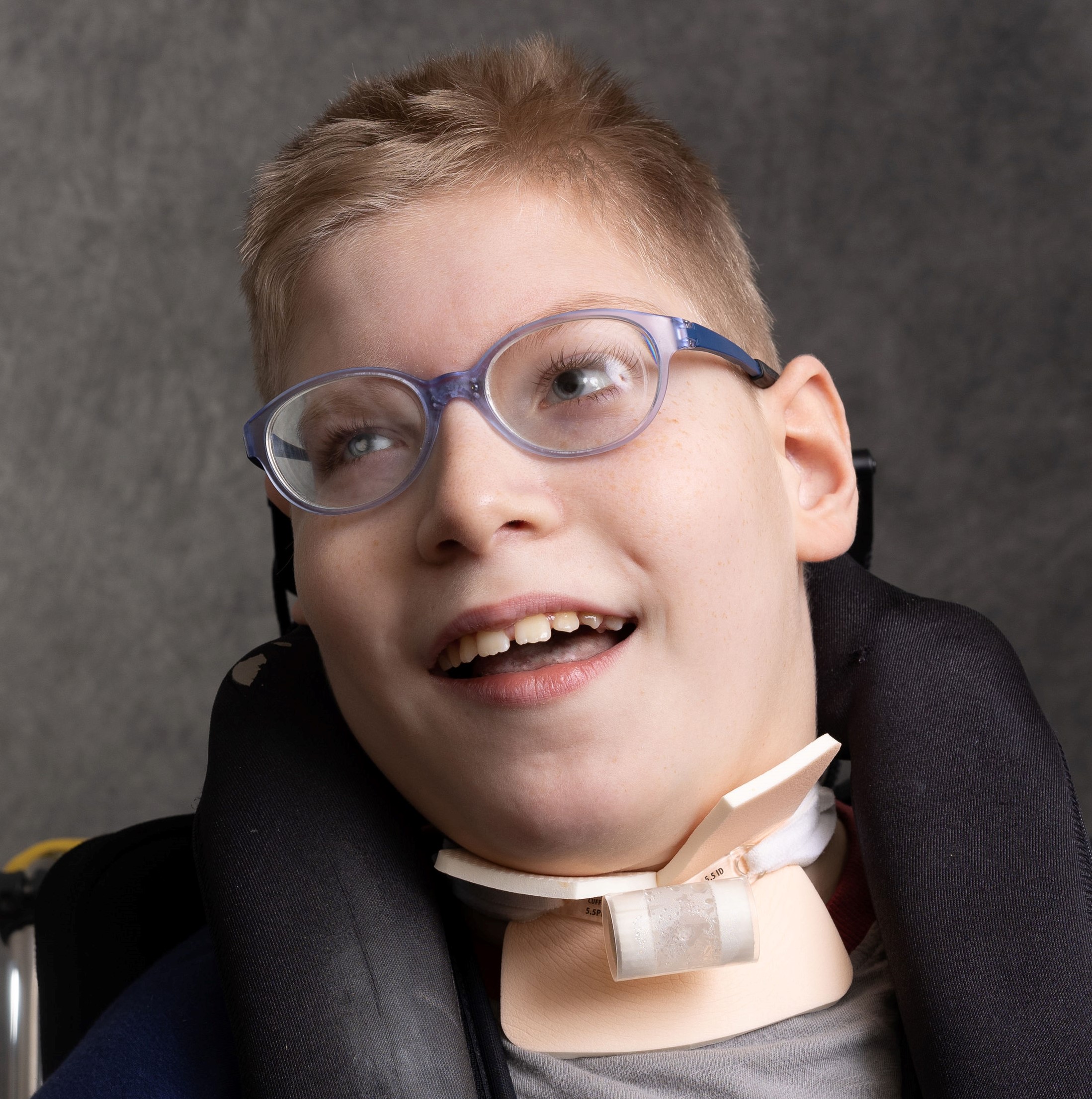
When Sam arrived at 33 weeks by emergency C‑section, Helen and Mike were overjoyed to finally meet the baby they had waited so long for. “We tried for a very long time to have a child,” Helen says. “As soon as I saw him, I said, ‘I want another one,’ and my husband just stared at me in shock.”
But as the weeks passed, it became clear that Sam wasn’t developing like other babies. At six months old, he was diagnosed with grade 5 cerebral palsy and cerebral visual impairment. “He’s pretty much blind optically,” Helen explains. “And the little vision he has, the bit of brain that processes it is scrambled.”
Even then, Helen remembers not fully understanding the weight of the diagnosis.
“My mum came with us, and when they said Sam had cerebral palsy, she just started crying. I remember thinking, why is she crying? I honestly thought they’d just fix him and everything would be fine. We were incredibly naive.”
A Lonely Start to the Journey
After the diagnosis, the family were discharged from the children’s hospital and referred into community services – but then heard nothing for three long weeks.
“It was the longest three weeks of our lives,” Helen says. “Suddenly we had nobody checking in on us. We were completely alone.”
As first‑time parents with no nieces, nephews or other children around them, they had nothing to compare Sam to. “Babies are hard work – everyone knows that. So we just thought Sam was no different.”
Support finally came through a specialist playgroup called Sunbeams, where families with children who didn’t fit neatly into diagnostic boxes could meet. “That’s where we started getting help,” Helen says. “Other parents had already been through it. They’d say, ‘Have you applied for DLA?’ and I’d say, ‘No, he’s only a tiny baby.’ I had no idea.”
DLA stands for Disability Living Allowance, which is a benefit for children under 16 who have:
- a disability
- a long‑term health condition
- or additional care/mobility needs compared to other children their age
It helps families with the extra costs of caring for a disabled child.
Finding Jessie May
Sam was referred to Jessie May when he was just one year old, and the family have been supported ever since.
“Jessie May were amazing. I don’t think we’d have coped at all without them,” Helen says. “It’s not just that they take Sam out for a walk and spend time with him. Whenever they come, I get verbal diarrhoea because I’m so alone. It’s incredibly isolating having a disabled child, so it’s nice that they listen and they understand.”
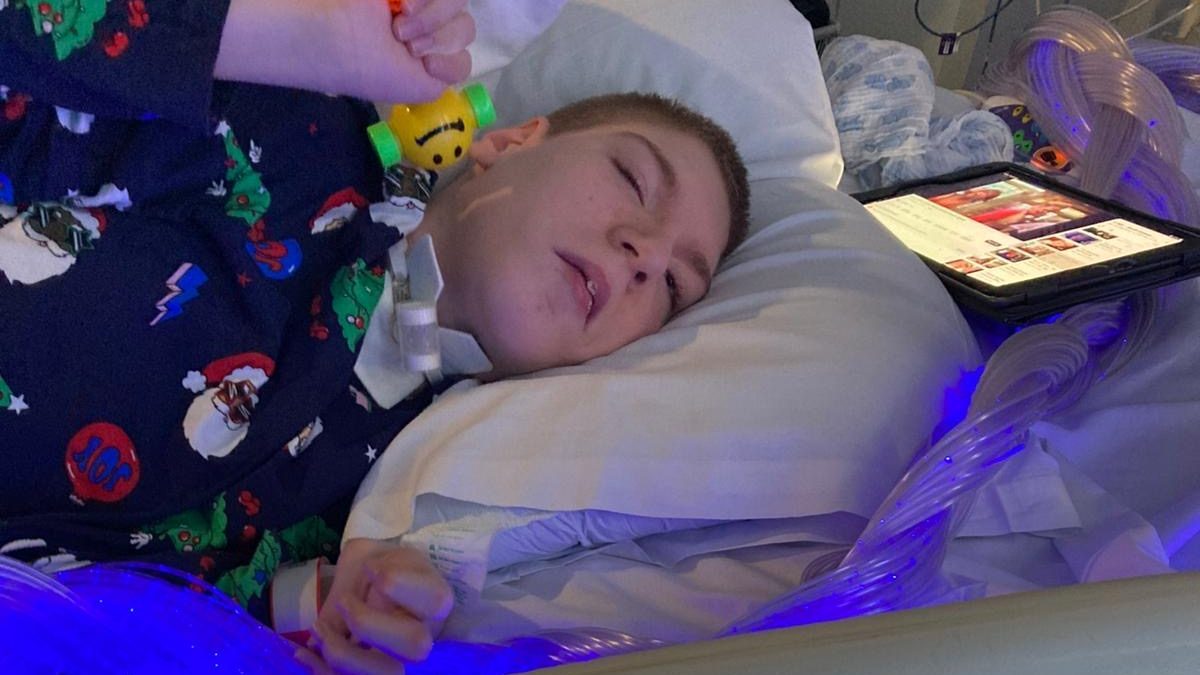
Caring for Sam is a 24/7 responsibility. He cannot eat, speak or move independently. He has a tracheostomy, a feeding tube, and complex medical needs. “I make all his food myself and blend it so it goes down his tube. You can’t just ask anyone to look after him – they have to be specially trained.”
Jessie May nurses don’t just give parent carers a much‑needed break – they bring emotional support, specialist expertise and a sense of continuity that families can rely on. “There’s not a high staff turnover, which is lovely. We’ve known Andy for years. They genuinely care. They remember everything.”
Andy, who has supported Sam for over a decade, feels exactly the same way about the family. “Sam has been part of my life for so long,” he says. “You build a bond that goes far beyond care – you understand him, you know his expressions, his humour, what comforts him. It’s a privilege to be part of his world.”
One nurse, Gemma, has known Sam since he was tiny as well. “She used to do night care for him in our home before she qualified. Even after she left there to work at the hospital. She would also bring a birthday card every year. When she said she was joining Jessie May, we were so excited.”
Sam Today
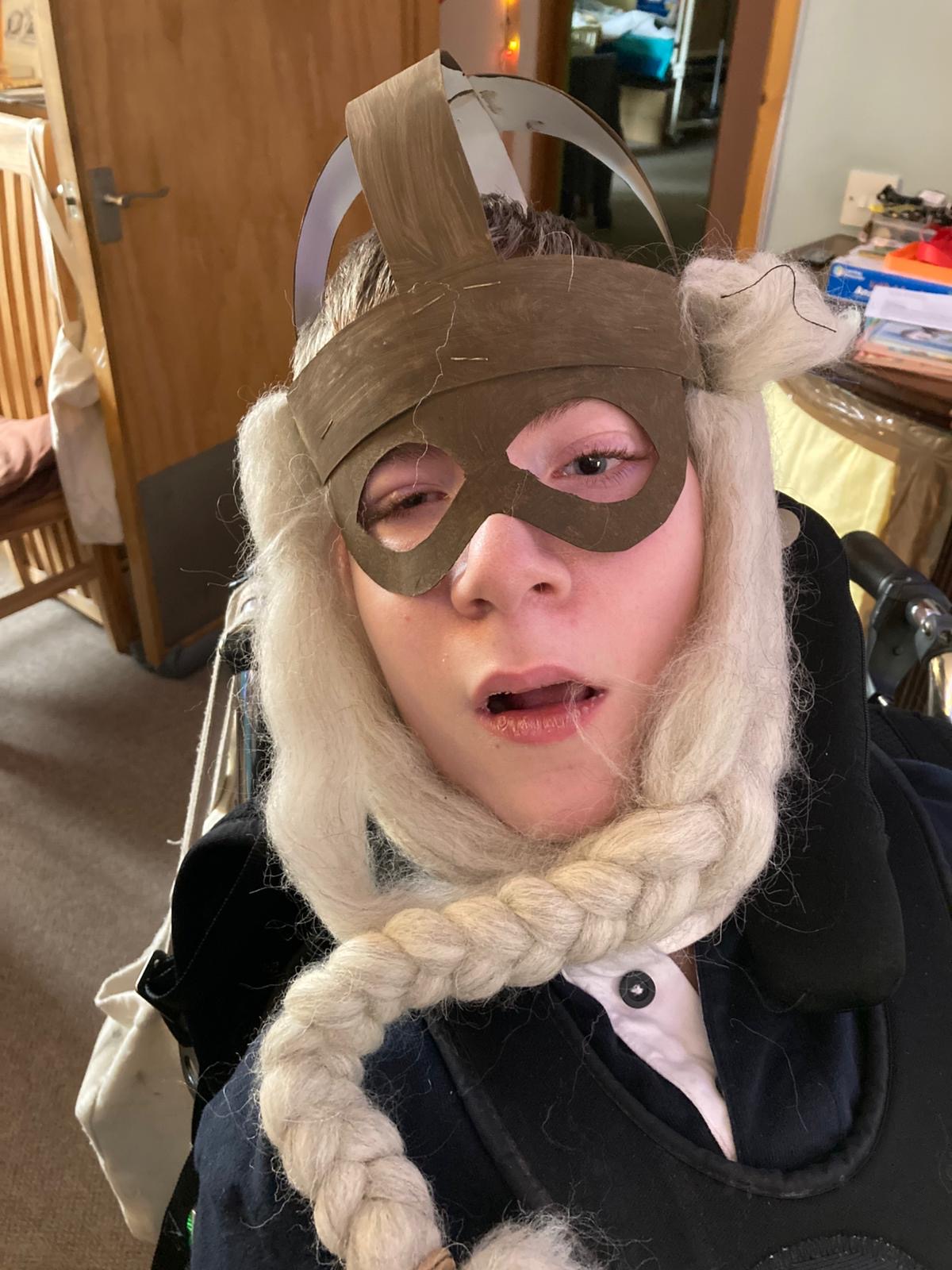
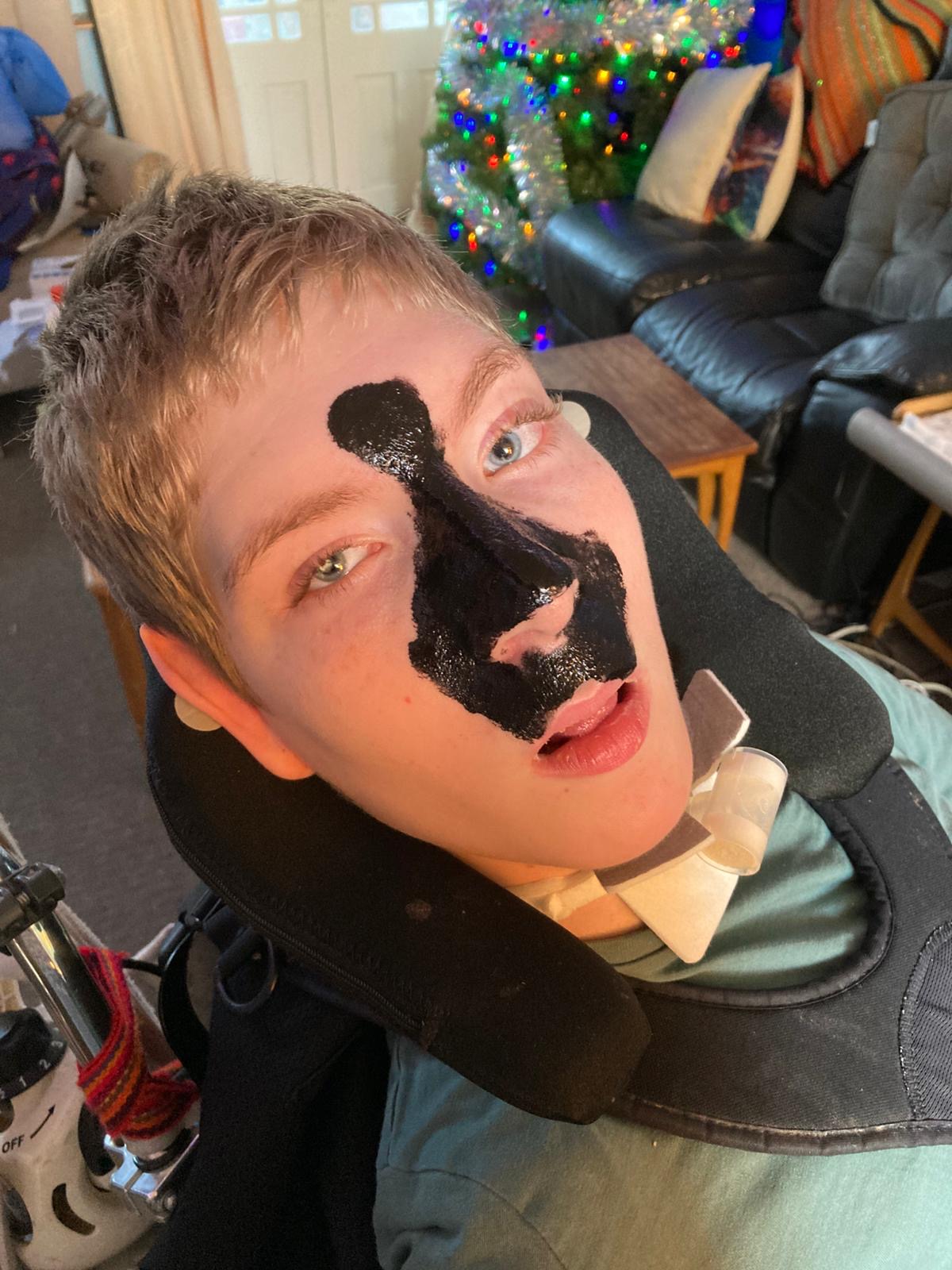
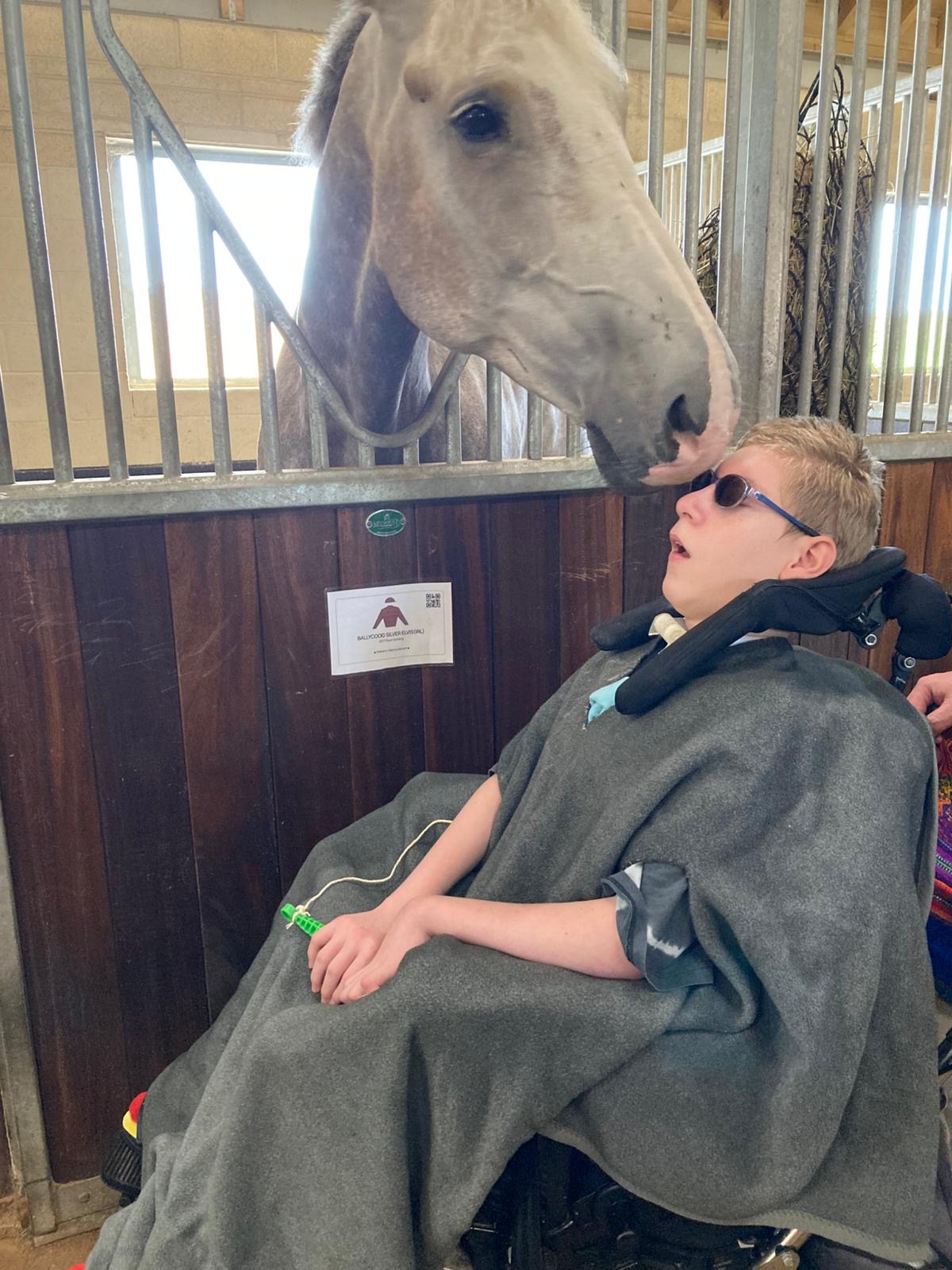
Sam is now nearly 16 and attends Claremont School, where he is adored. “They said he was the most complex child they had, but the easiest to look after because he just loves doing everything.” Helen said.
But the last year has been incredibly hard. In February, Sam experienced a catastrophic spinal collapse. “His spine is literally a right angle,” Helen explains. “His pelvis and ribs are rubbing against each other. He’s in constant pain.”
The change has been heartbreaking. “He used to be so happy, always laughing. Now he’s very quiet and subdued. We’re waiting for spinal surgery – hopefully this summer.”
Despite everything, Sam still finds joy. He especially loves going for walks with Jessie May nurse Andy, even when Andy gets lost, much to Helen’s amusement. “The first time he took Sam out from our new house, he went into the park and couldn’t find his way out,” Helen laughs. “Sam thought it was hilarious.”
Sam communicates through facial expressions. “If you know him well, you can read him. And the nurses do – they’ve learned how to understand him over the years.”
“Life without Jessie May will be terrifying…”
With Sam turning 18 in two years, the family are already anxious about losing Jessie May’s support.
“I really wish Jessie May would go on forever,” Helen says. “Life without them is absolutely terrifying.”
When asked what she wants people to know about hospice‑at‑home care, her answer is simple:
“We would be very, very different without it. It’s not just a break, it’s the support, the information, the company, the understanding. They’ve been with us through everything.”
And her message to other families who may be feeling overwhelmed is:
“Reach out to your local hospice. Find support groups. Connect with people. The disabled world is small, but the community is so strong.”

Featured Image – Photo Credit – Julian Burr