

For Children’s Hospice Week, we wanted to share a real conversation between a parent and a Jessie May nurse. These conversations happen quietly in homes across the South West, and they help people understand what children’s palliative care truly means.
Families often tell us that the words palliative care feel frightening at first. But when the meaning is explained with warmth and clarity, it becomes something very different. It becomes support, reassurance and a way to help children live with comfort and joy at home.
This week is about raising awareness and giving families a voice. Kelly and her Jessie May nurse, Ash, sat down together to talk openly about palliative care, the misconceptions around it and the difference it makes to families every day.
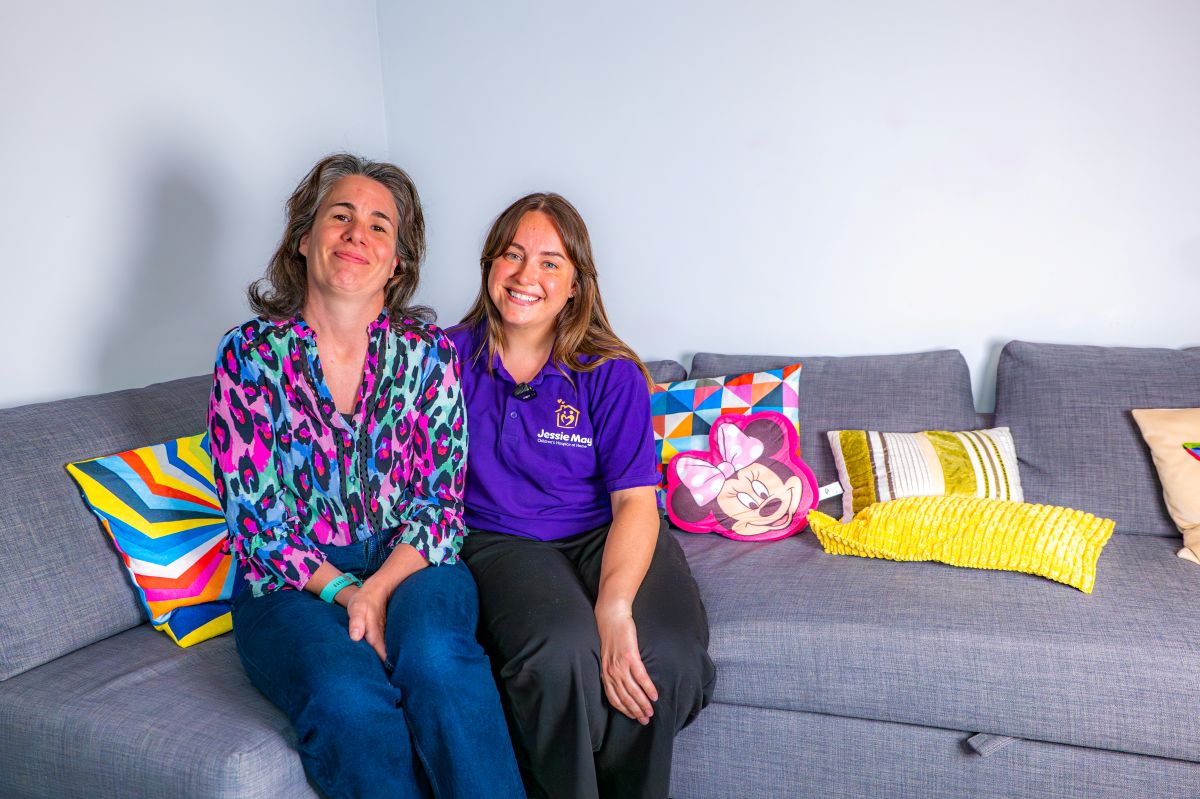
The Conversation
Kelly: Is there a right time to start talking about children’s palliative care and what have you learned from families like mine over time?
Ash: Parents and families have taught me a lot about resilience and strength. Through the hardest times they need to go through, you are with them through the highs and the lows. Palliative care is a difficult conversation to have with families, but professionals find it difficult as well. I think it is down to the worry of how families will respond to the words palliative care. It has such an association with end of life and that is not what it is all about. It is so much more than that.
I think of palliative care as an umbrella term. Even though end of life does come underneath that, there is also so much more underneath that umbrella. It is about supporting families, signposting them to other services, symptom management and short breaks. There is a lot involved.
If families know about it sooner and understand what palliative care provides, it gives them time to process what they would like from it.
Kelly: I think it is very difficult because as a parent you never want to hear your child having palliative care. But you are really good at being led by the families. You get to know us so well. You know how to broach that subject separately with families because each family is so individual. I struggled with it in the beginning quite a lot and you were very supportive of that. Other families might be much more happy to talk about it, so you are led by the families, which is great and something you are really good at.
Kelly: Is there anything you wish people knew about children’s palliative care?
Ash: I wish people knew more of the positive aspects of palliative care and not to focus too much on the negative. There is so much information out there, and once families really understand what it is actually about, they see that it is all about improving quality of life for children and families. It really is an all round experience.
The families I have worked with who have accessed palliative care have been so thankful for the support they have received. They always say they cannot imagine where they would be without it.
So it is really about sending the message that palliative care can be positive.
Kelly: It is a scary word as a family, especially as a mum and dad. You hear palliative care and you think the worst. But once it is explained to you, you realise there is so much more to it. It is almost that safety net because you give the child better quality of life while they are still here. It is really important.
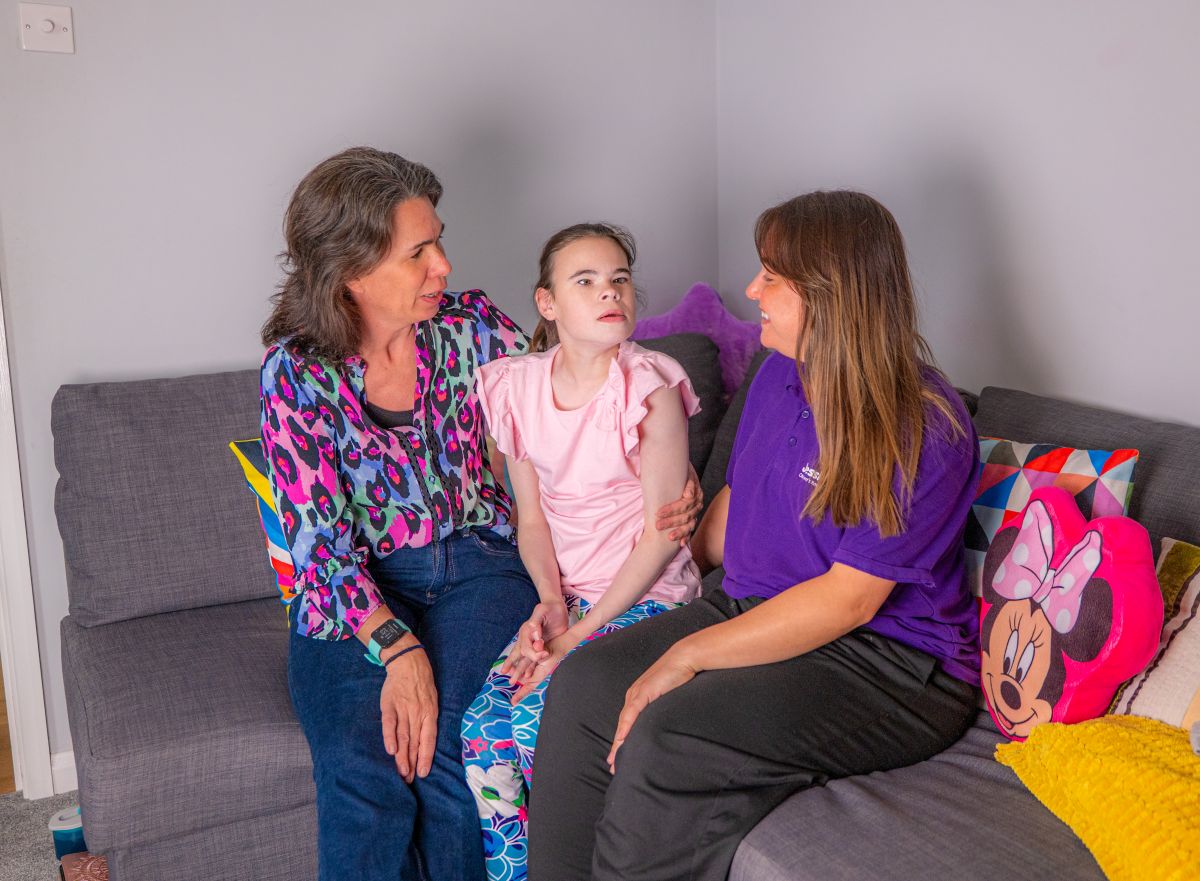
Why This Conversation Matters
Children’s Hospice Week is a chance to challenge misconceptions and shine a light on the truth about children’s palliative care. It is not only about the end of a child’s life. It is about helping families live fully in the time they have. It is about comfort, choice, memories and the reassurance of having a skilled, compassionate team by your side at home.
By sharing Kelly and Ash’s conversation, we hope more families feel informed and less afraid of the words palliative care. When people understand what it really means, they see the heart of Jessie May. They see the joy, the resilience and the everyday moments that matter most.
To learn more about the impact that children’s hospice at home care has on families, take a look here.